The journal
Bhutan
Long-form pieces by our destination specialists — context, history, practical know-how, and the moments that make a trip stick.
-
 Asia & Pacific
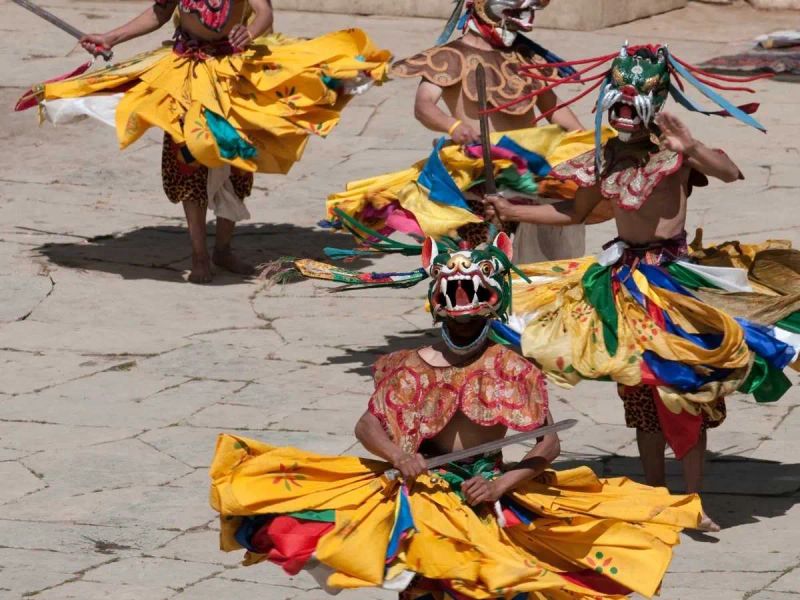
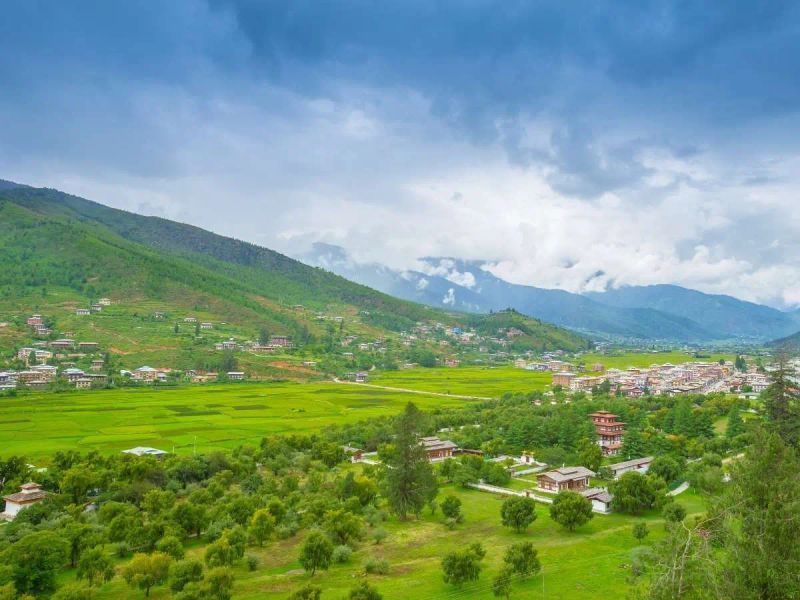
Bhutan Festivals Worth Travelling For: Tshechu, Ura, Tangbi Mani and More
Bhutan's festivals are living acts of Buddhist devotion, not performances arranged for visitors. Held in ancient dzongs and remote valleys across the kingdom, celebrations like the Punakha Tsechu, Ura Festival, Tangbi Mani, and Black-Necked Crane Festival span spring through winter. Each follows the lunar Bhutanese calendar and offers a rare window into a culture shaped by centuries of Himalayan Buddhist life. This guide covers the key events, what to expect, and how to plan your visit around them.
Jim Louth·11 Jun 2026 -
 Asia & Pacific
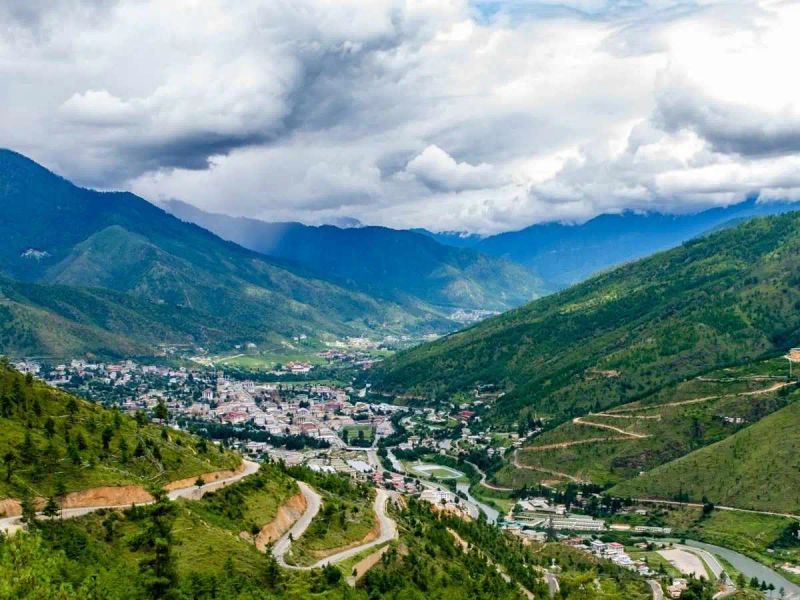
Bhutan Travel Guide: Everything You Need to Know Before You Go
Bhutan is a small Himalayan kingdom that controls tourism deliberately — every visitor must book through a licensed operator and pay a sustainable development levy. It is one of the world’s safest travel destinations, carbon-negative, and constitutionally required to keep 60% of its land forested. This guide covers visas, best time to visit, where to go, safety, festivals, and what to expect when travelling in Bhutan — with links to deeper guides for each topic.
27 May 2026 -
 Asia & Pacific
Bhutan Itinerary Ideas: From Paro to Punakha and Beyond
A Bhutan itinerary typically follows a single mountain road connecting the western valleys of Paro, Thimphu, and Punakha — the core of any first visit. A 7-day Bhutan itinerary covers this classic loop, including the Tiger’s Nest hike and Punakha Dzong, but does not reach the eastern valleys. Stretching to 10 or 13 days adds the Phobjikha Valley and Bumthang, the spiritual heartland of the country. All travel must be booked through a licensed tour operator, with a government Sustainable Development Fee paid per night. Spring (March–May) and autumn (September–November) are the most popular seasons, with major festivals such as Paro Tshechu and Thimphu Tshechu falling during these periods.
Jim Louth·23 May 2026 -
 Asia & Pacific
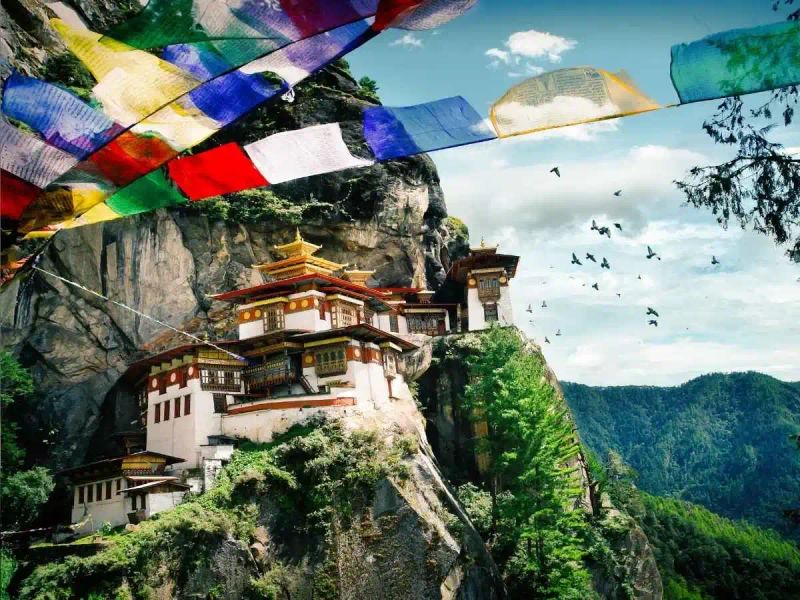
Best Things to Do in Bhutan: Sacred Sites, Hidden Valleys & Slow Travel
The best things to do in Bhutan range from hiking to Tiger’s Nest Monastery and exploring Punakha Dzong to attending sacred Tsechu festivals and walking the Gangtey Nature Trail. Most visitors start in the Paro–Thimphu–Punakha corridor, but the hidden valleys of Bumthang and Gangtey are where the trip really deepens. Beyond the landmark sites, activities like traditional archery, farmhouse stays, and sharing a meal of ema datshi give a truer sense of everyday Bhutanese life. Spring and autumn are the most rewarding seasons for first-time visitors.
Jim Louth·8 May 2026 -
 Asia & Pacific
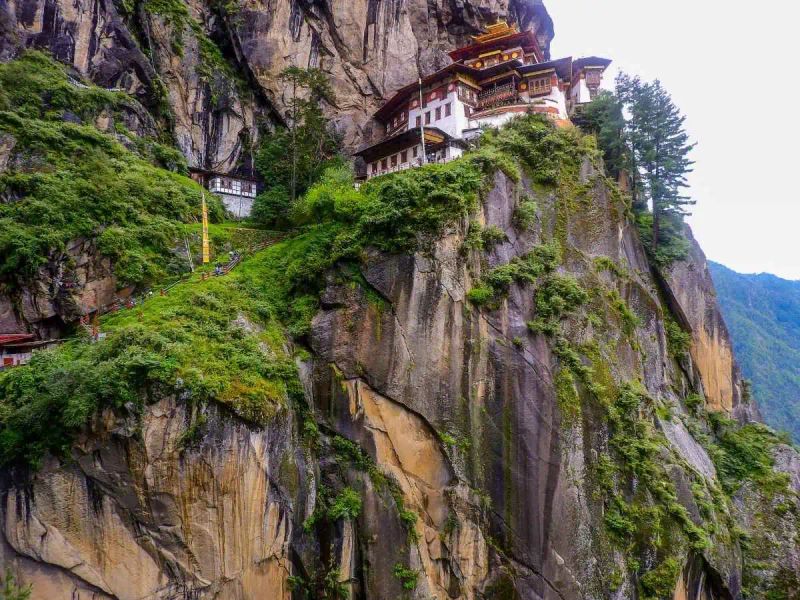
Tiger’s Nest Bhutan Hike: Your Complete Guide to Paro Taktsang Monastery
The Tiger's Nest hike — known locally as the Paro Taktsang trek — is a 6.5-kilometre round trip trail in the Paro Valley that leads to a 17th-century cliff-face monastery perched 900 metres above the valley floor. Starting at around 2,100 metres above sea level and reaching 3,120 metres at the monastery gates, the hike takes most walkers four to five hours. It is considered Bhutan's most iconic day hike and one of the most sacred Buddhist sites in the Himalayas. Moderate fitness, sturdy footwear, and proper acclimatisation are all you need to complete it.
Jim Louth·8 May 2026 -
 Asia & Pacific
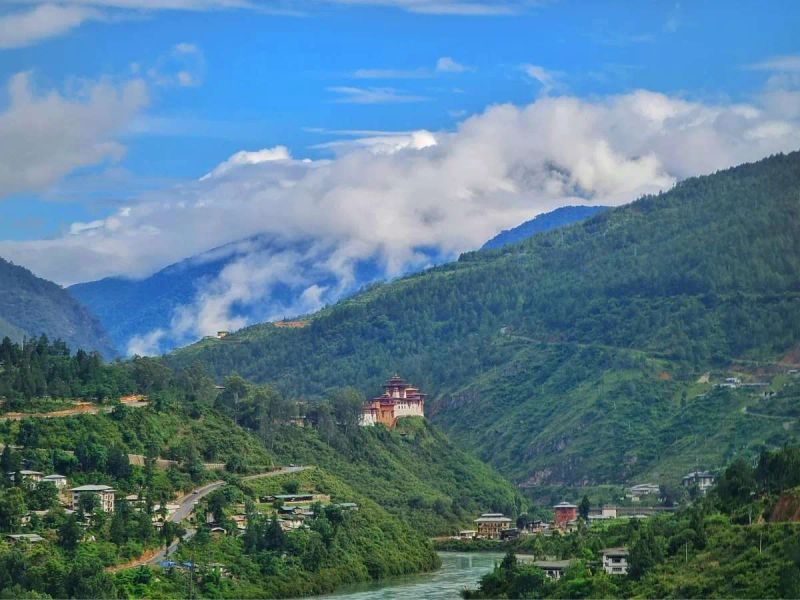
The Best Time to Visit Bhutan: A Season-by-Season Guide for Discerning Travellers
The best time to visit Bhutan is October for clear skies and Thimphu Tsechu, or April for rhododendron blooms and Paro Tsechu. Spring (March–May) and autumn (September–November) offer the most settled weather, comfortable temperatures and reliable mountain views. Winter (December–February) suits photographers and quieter travel, while the monsoon (June–August) brings lush green valleys and near-empty cultural sites.
Jim Louth·5 May 2026