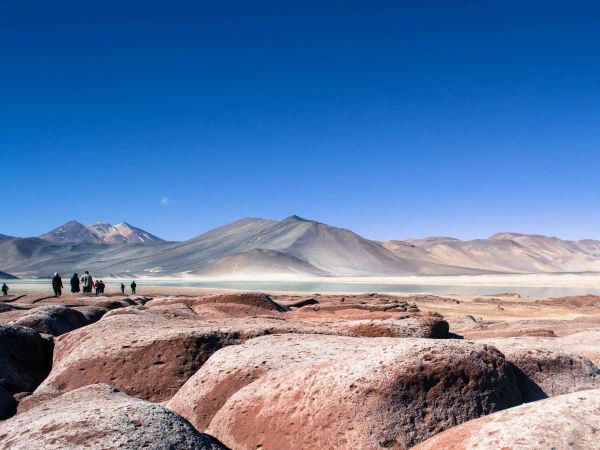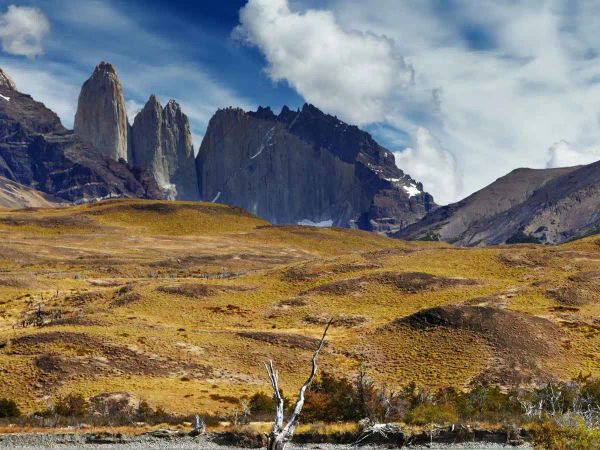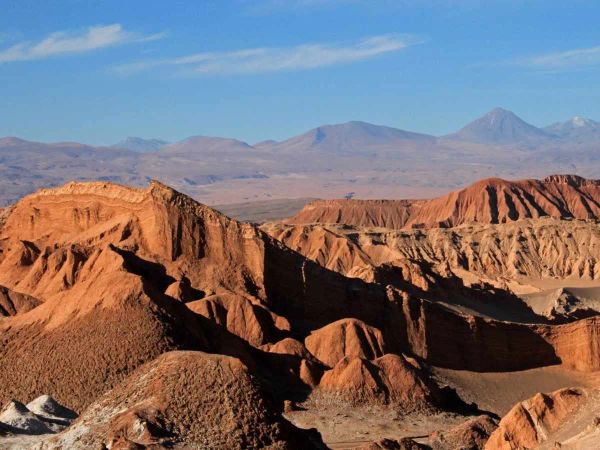
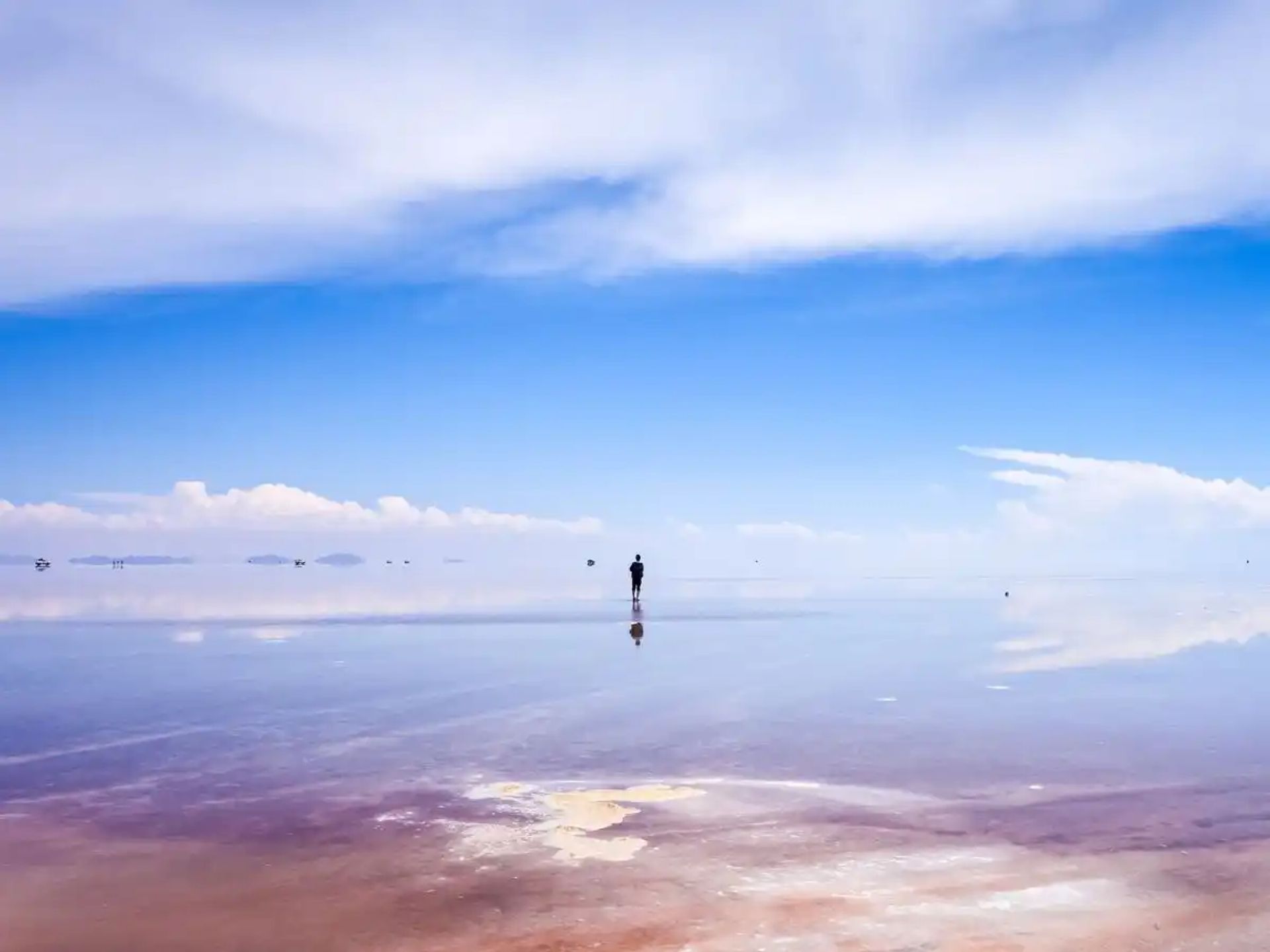
The best time to visit Bolivia is May to October, during the dry season, when skies are clear and temperatures across the Altiplano are stable. For the Uyuni Salt Flats mirror effect, travel February to April, when shallow rainfall on the world's largest salt pan produces the reflective surface. July and August are the most popular and reliable months for trekking and wildlife across Bolivia; March and April are the best for Uyuni photography. Before booking, check the UK FCDO travel advice for Bolivia.
TL;DR — Key Facts
- Overall best months: May, June, July, August, September, October (dry season)
- Uyuni mirror effect: late February to early April (peak mid-March to mid-April)
- Shoulder season (fewer crowds, reliable weather): May, September, October
- Rainy season: November to March (green landscapes, lower prices, some routes affected)
- Coldest nights in the Altiplano: June, July — can drop below -10°C at 4,000m+
- Typical trip length: 10 to 21 days
- UD departures: small group, guaranteed, maximum 12 travellers
Bolivia's Two Seasons
Bolivia has two clear seasons rather than four. The dry season (winter) runs from around April to October, with cold nights, clear days, and reliable roads. The rainy season (summer) runs from November to March, with warmer temperatures but heavier rainfall, particularly in the eastern lowlands and the Yungas. For detailed climate data by region, see the Bolivia climate guide on Climates to Travel.
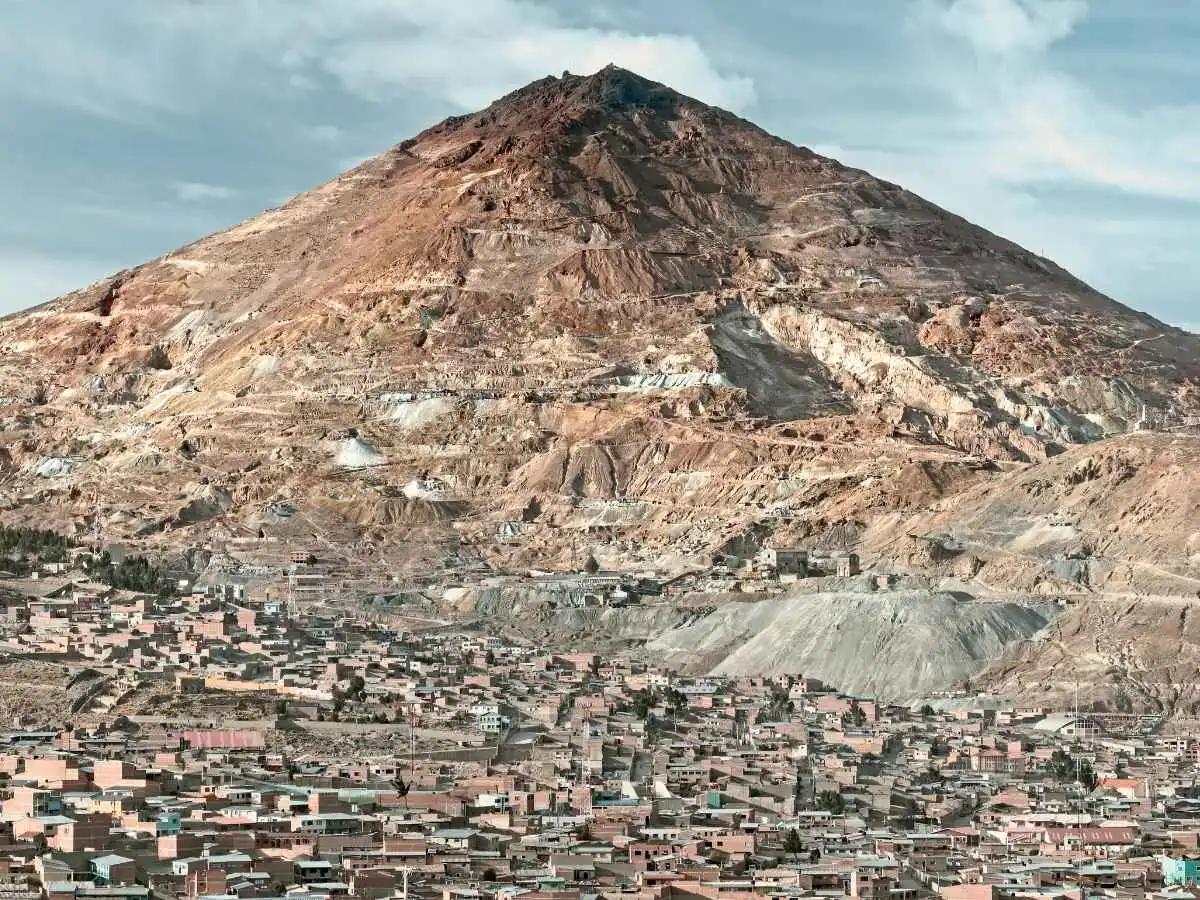
Altitude matters more than latitude in Bolivia. La Paz sits at 3,640 metres. Uyuni is at 3,656 metres. Potosi reaches 4,090 metres. Even in the middle of "summer", nights at these altitudes are cold. The Amazon basin, by contrast, stays hot and humid year-round.
Most travellers choose the dry season for stable weather, reliable overland transfers, and clear Andean views. The rainy season suits travellers who prioritise the Uyuni mirror effect, green Amazon scenery, or off-peak pricing.
Month-by-Month Breakdown
Dry season (April/May to October)
- April: La Paz 19/3°C, Uyuni 17/-7°C. Transition month. Mirror effect continues early April. Good for shoulder-season travellers.
- May: La Paz 19/2°C, Uyuni 18/-9°C. Start of dry season. Clear skies, smaller crowds, reliable roads.
- June: La Paz 18/0°C, Uyuni 17/-12°C. Dry, cold nights, clear days. Andean trekking conditions ideal.
- July: La Paz 18/-1°C, Uyuni 17/-13°C. Peak dry season. Coldest nights — pack layers. Most popular month.
- August: La Paz 19/1°C, Uyuni 18/-11°C. Dry season continues. Urkupiña festival (Cochabamba) in mid-August.
- September: La Paz 20/3°C, Uyuni 19/-9°C. Shoulder season. Warming gradually. Excellent wildlife viewing in Pantanal.
- October: La Paz 20/5°C, Uyuni 19/-7°C. Late shoulder. Crowds thinning. First light rains possible by month's end.
Rainy season (November to March)
- November: La Paz 20/6°C, Uyuni 19/-5°C. Start of rainy season. Green landscapes return.
- December: La Paz 19/6°C, Uyuni 18/-4°C. Wet. Uyuni starts to flood — mirror effect builds from late December.
- January: La Paz 18/6°C, Uyuni 17/-4°C. Rainy season peak. Salt flats flooding begins. Alasitas festival in La Paz.
- February: La Paz 18/6°C, Uyuni 17/-5°C. Carnaval (Oruro) — UNESCO-listed cultural heritage event. Heavy rain.
- March: La Paz 18/5°C, Uyuni 17/-6°C. Mirror effect peak at Uyuni. Wet, but the reward is world-class photography.
The Uyuni Mirror Effect: When and Why
The Uyuni Salt Flats cover 10,582 square kilometres at 3,656 metres altitude. During the rainy season, a thin layer of water sits on the salt pan, turning the surface into an immense mirror that reflects the sky. This is the landscape most people have seen in photographs.
The mirror effect window is approximately late February to early April, with peak conditions from mid-March to mid-April. The exact timing varies year to year depending on rainfall.
Travellers who want the mirror should plan March or early April. The trade-off: rain affects other parts of the country, some Amazon routes are limited, and overland transfers in the Yungas can be disrupted. UD's Bolivia small-group tours in March and April are specifically timed to catch the mirror effect.
Travellers who want the dry white salt pan landscape (no mirror, just the endless crystalline surface) should travel June, July, or August. Both are photogenic, just very different.
Regional Variation by Season
Altiplano (La Paz, Sucre, Uyuni, Potosi)
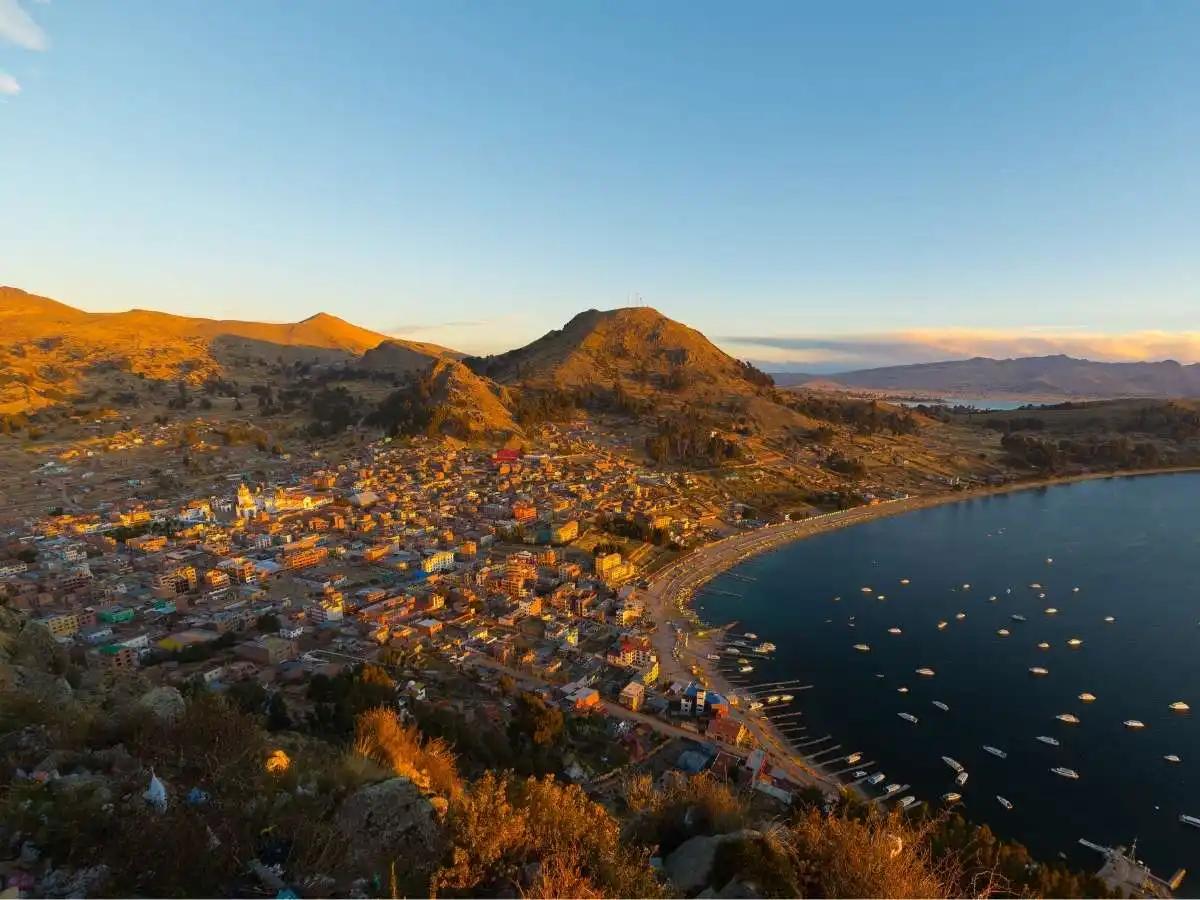
Dry season is reliable. Nights are cold (below freezing at altitude). Days are sunny. Rainy season brings afternoon storms but rarely washes out full days. Altitude sickness is a risk year-round above 3,500 metres — acclimatise over 2-3 days before intensive activity. Lake Titicaca between Bolivia and Peru sits at 3,812m and is reliably accessible year-round.
Amazon Basin (Rurrenabaque, Madidi National Park)
Hot and humid year-round. Dry season (May-October) has better trails, clearer rivers for boat travel, and stronger wildlife viewing. Rainy season (November-April) is greener but harder to navigate.
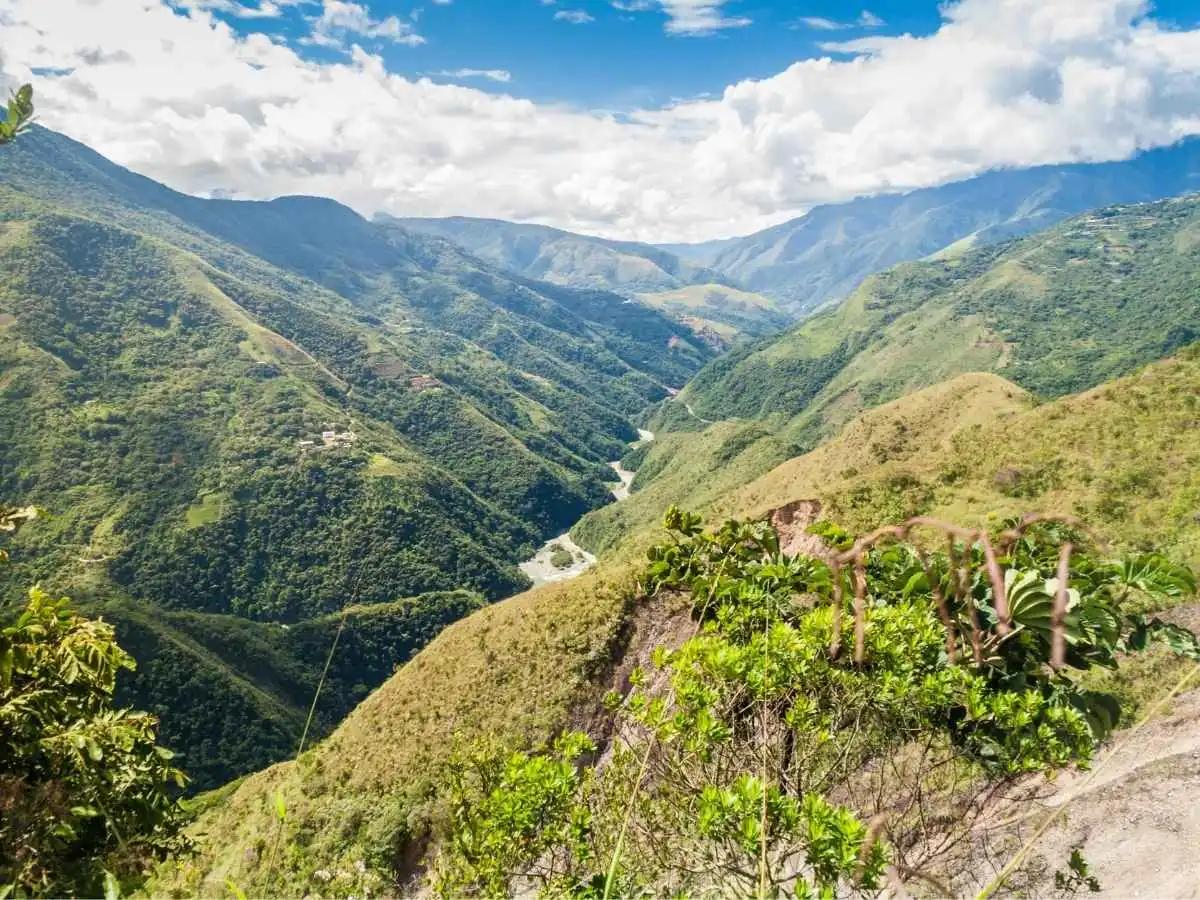
Yungas (the valleys between La Paz and the Amazon)
Warm year-round. Rainy season brings mudslides and road closures — the Death Road (Yungas Road) and overland routes to Rurrenabaque can be disrupted between December and March.
Eastern Lowlands (Santa Cruz, Samaipata)
Hottest region. Dry season is warm and pleasant. Rainy season is uncomfortably hot and humid with heavy downpours.
Best Time for Specific Activities
- Uyuni Salt Flats photography (mirror): March to early April
- Uyuni Salt Flats photography (dry white surface): June to August
- Andean trekking (Choro, Takesi, Cordillera Real): May to September
- Amazon wildlife viewing (Madidi, Pampas): June to October
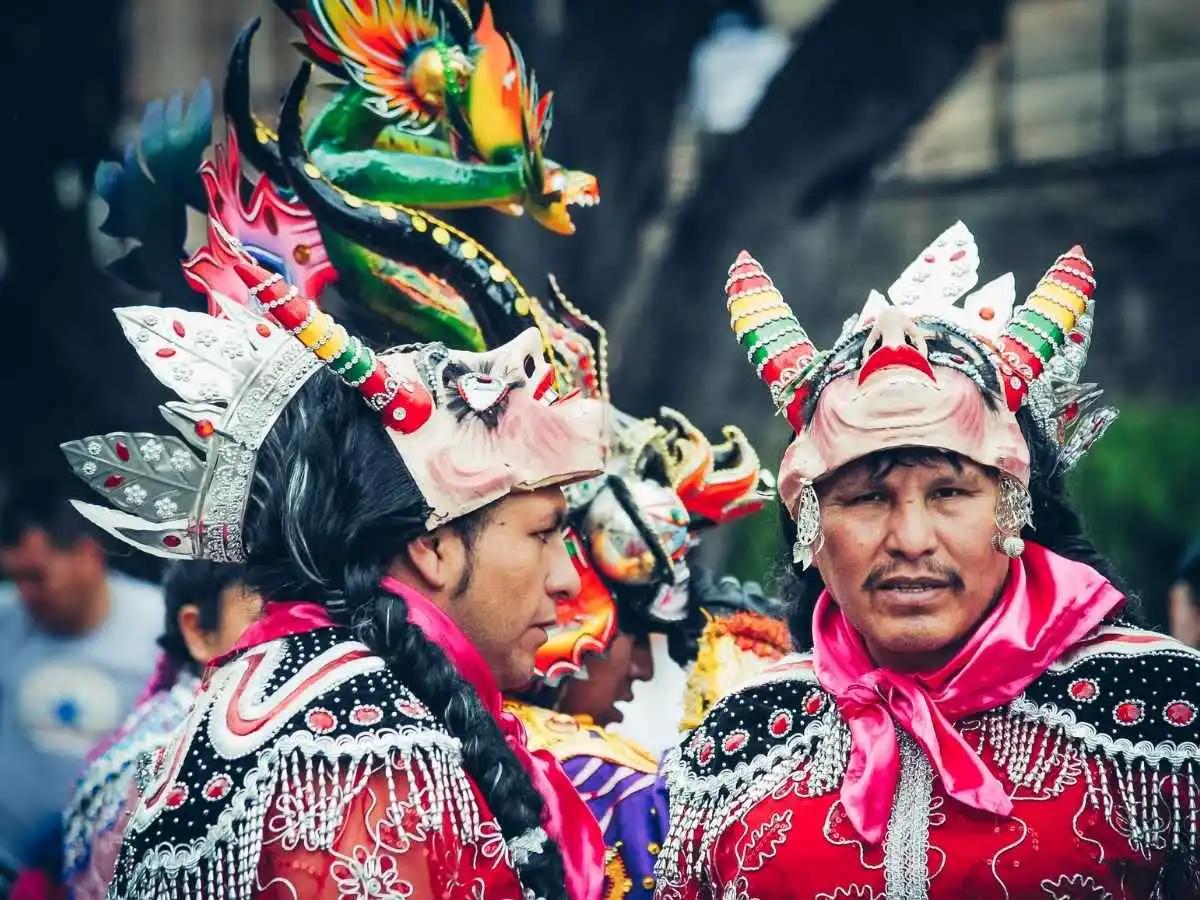
- Cultural festivals: Carnaval de Oruro (February/March, UNESCO-listed), Alasitas (January), Urkupiña (August), Gran Poder (May/June)
- Birdwatching in the Pantanal (Bolivian side): September to November
When to Avoid Visiting
No month is genuinely unsuitable, but some windows carry trade-offs.
January to early March is the wettest period. Routes to Rurrenabaque can be disrupted. The mirror effect is just starting, so it's less reliable than March and April. Unless you have a specific reason (Carnaval, low prices), hold off.
Late December around Christmas and New Year is the busiest period for domestic Bolivian travel, with higher hotel prices and more crowded attractions. International visitor numbers are relatively low, but internal transport can be full.
What to Pack by Season
Dry season (May-October)
- Warm layers for altitude (fleece, thermal base layer, down jacket for evenings)
- Sun protection — UV is intense at altitude
- Sturdy walking shoes
- Sleeping bag liner (some Altiplano guesthouses are basic)
Rainy season (November-March)
- Waterproof shell jacket
- Waterproof covers for camera gear
- Quick-dry trousers
- All the layers above — altitude is still cold regardless of season
Frequently Asked Questions
What is the best month to visit Bolivia overall?
July and August offer the most reliable dry season conditions — clear skies, stable temperatures during the day, and the best conditions for trekking and photography of the dry salt pan. May, September, and October are strong shoulder-season choices with thinner crowds and similar weather reliability. Avoid January and February unless you specifically want the mirror effect at Uyuni.
When is the best time to see the mirror effect at Uyuni Salt Flats?
The mirror effect window is late February to early April, with peak conditions from mid-March to mid-April. Rainfall on the salt pan creates the reflective surface. For the best chance of a perfect mirror, target a 10-14 day visit anchored around the last week of March and first week of April, and be flexible on exact days.
Is it worth visiting Bolivia in the rainy season?
Yes, if your priority is the Uyuni mirror effect or lush Amazon scenery. The trade-offs are real: some overland routes get disrupted, the Yungas road can close, and afternoons often bring storms. For a first visit to Bolivia covering multiple regions (Altiplano, Amazon, Salt Flats), the dry season is usually a better match.
What is the weather like in La Paz year-round?
La Paz sits at 3,640 metres, so nights are cold regardless of season. Dry season daytime highs are around 18-20°C; nights drop to freezing or just above. Rainy season daytime temperatures are similar but with frequent afternoon showers. UV exposure is extreme year-round due to thin atmosphere — sunscreen and eye protection are essential.
When is the best time to visit Bolivia for wildlife?
For Amazon wildlife in Madidi National Park and the Pampas: June to October. Rivers are clearer, trails are passable, animal sightings are more concentrated at remaining water sources. For birdwatching in the Bolivian Pantanal (near Puerto Suárez): September to November gives the best access and diversity.
Can you visit Bolivia in November?
November is the start of the rainy season — generally drier than December to February but with increasing afternoon showers. It works well if you're focused on the Altiplano cities (La Paz, Sucre, Potosi) and don't need the dry Amazon routes. The salt flats are starting to flood, so it's a transitional month for Uyuni.
What month should you avoid for Bolivia travel?
No month is genuinely unsuitable, but January and February have the heaviest rainfall, the least reliable overland transfers, and the mirror effect isn't yet at peak. If you have full flexibility, these are the months to skip unless you specifically want Carnaval or off-peak pricing.
How does altitude affect when to visit Bolivia?
Altitude matters more than season. La Paz, Uyuni, Sucre, and Potosi all sit above 3,500 metres. Acclimatise over 2-3 days before intensive activity. Altitude sickness symptoms (headache, fatigue, nausea) can occur regardless of season. If you've had altitude issues before, consider starting your trip in Sucre (2,810m) rather than La Paz (3,640m).
When are the main Bolivia festivals?
Alasitas (late January, La Paz) — miniature-themed folk festival. Carnaval (February/March, Oruro) — UNESCO-listed cultural event, often cited as one of South America's best. Gran Poder (May/June, La Paz) — dance processions through the city. Urkupiña (mid-August, Cochabamba) — religious festival with folk dancing. Timing your visit around a major festival adds a dimension that dry-season wildlife viewing can't match.
What is the dry season in Bolivia?
The dry season runs roughly April to October, with May to September being the most reliable window. During this period, the Altiplano sees clear skies and cold nights, the Amazon becomes more navigable, and the Yungas roads are at their most stable. This is the standard "best time" window for most travellers.
Why Undiscovered Destinations?
Our 15-day Bolivia: From the Lowlands to the High Andes tour is built around the country's best windows. March/April departures capture the Uyuni mirror effect. May through September departures are timed for dry-season reliability across the Altiplano and the Amazon. Every departure is guaranteed from two travellers — we don't cancel on you — and group size is capped at 12, with local guides who've spent years mapping the regions you're visiting.
We've been running small-group Bolivia tours since 2004. We're AITO 4.9 Excellent rated and one of the few UK operators whose departures cluster around the mirror effect window rather than the generic summer peak. If you'd like a tailored Bolivia itinerary, get in touch via our enquiry form.
This guide was prepared by the Undiscovered Destinations team, drawing on two decades of running small-group Bolivia tours and feedback from our local guides in La Paz, Sucre, and Uyuni. Undiscovered Destinations is AITO member #5168, ABTA member Y6120, and ATOL-licensed (7232).