
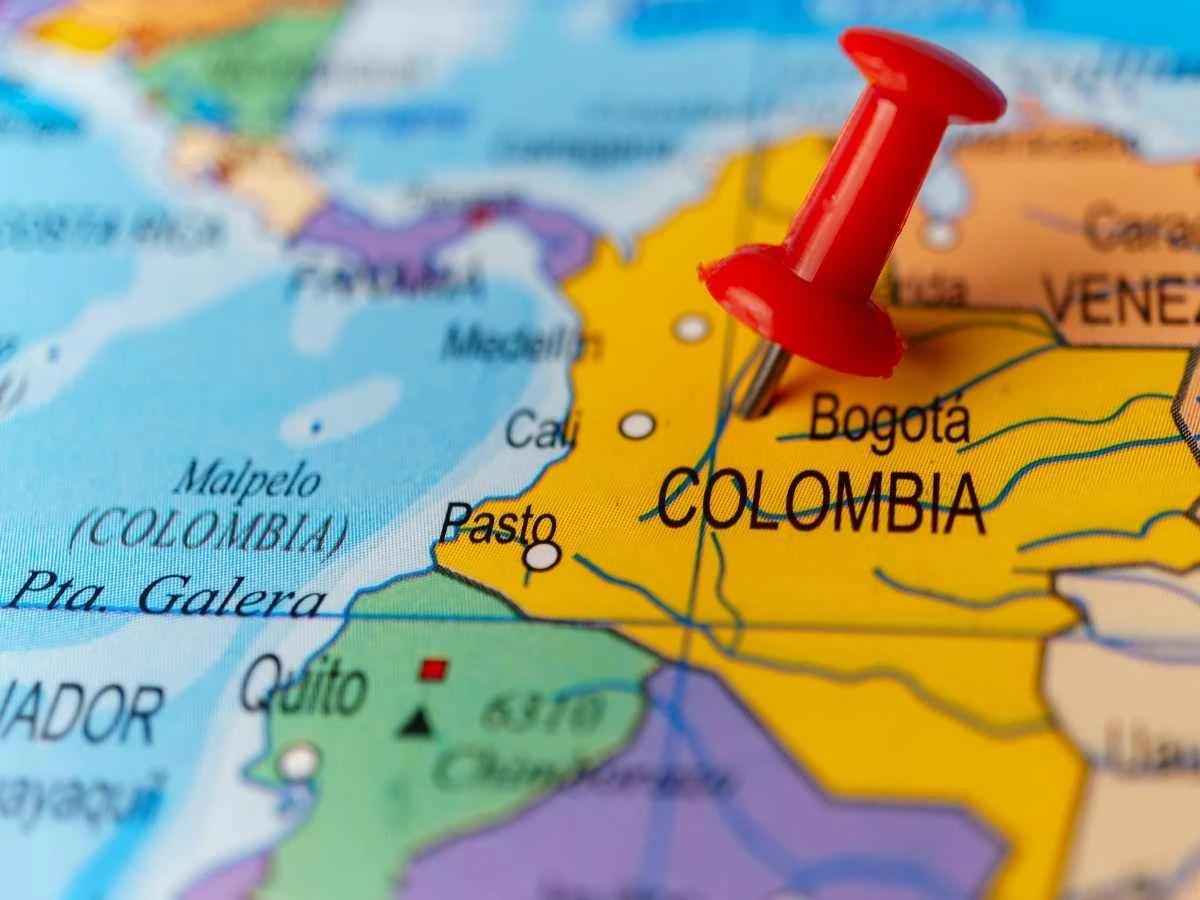
Colombia offers an extraordinary range of things to do — from exploring pre-Columbian ruins at San Agustín and wandering Cartagena's walled city to hiking through the Coffee Zone's cloud-draped valleys and stargazing in the Tatacoa Desert. As South America's most biodiverse nation, it combines colonial history, indigenous culture, Andean landscapes and Caribbean coastline within a single, deeply rewarding trip. This guide covers the country's highlights from north to south.
Colombia has a way of changing the minds of those who give it a chance. As a South American country of extraordinary contrasts, it has shed the weight of its troubled past to become one of the most popular destinations on the continent. Few places have undergone such a dramatic transformation — and few offer as rich a reward to those who make the journey. Today, Colombia stands as a top destination for independent travellers, small group explorers and anyone seeking something genuinely beyond the ordinary.
What strikes most visitors first is the sheer variety. The scenery changes more dramatically over a two-week overland journey here than in almost any comparable country. You can move from a buzzing Andean capital through fossil-rich colonial valleys, across an ochre desert that feels more like Morocco than South America, into the misty highlands of a pre-Columbian archaeological park, through a coffee landscape of staggering beauty, and out to a Caribbean coastline where jungle meets the sea. Few countries deliver that kind of geographical and cultural range within a single trip.
Colombia is also a country in the middle of rediscovering itself. A new generation of Colombians has built something worth celebrating in their cities, towns and villages, and they are genuinely proud to share it with the world. Travellers who arrive with an open mind rarely leave disappointed.
The Top 10 Destinations to Visit in Colombia
When thinking about the top 10 places to visit in Colombia, it quickly becomes clear that this is a country that defies easy summaries. Its geography spans highland desert, Andean cloud forest, tropical Caribbean coastline, and some of the world's most productive agricultural land. These ten destinations offer a route through the best of it — a journey rather than a list.
1.Bogotá — Colombia's Capital and the Start of Every Trip
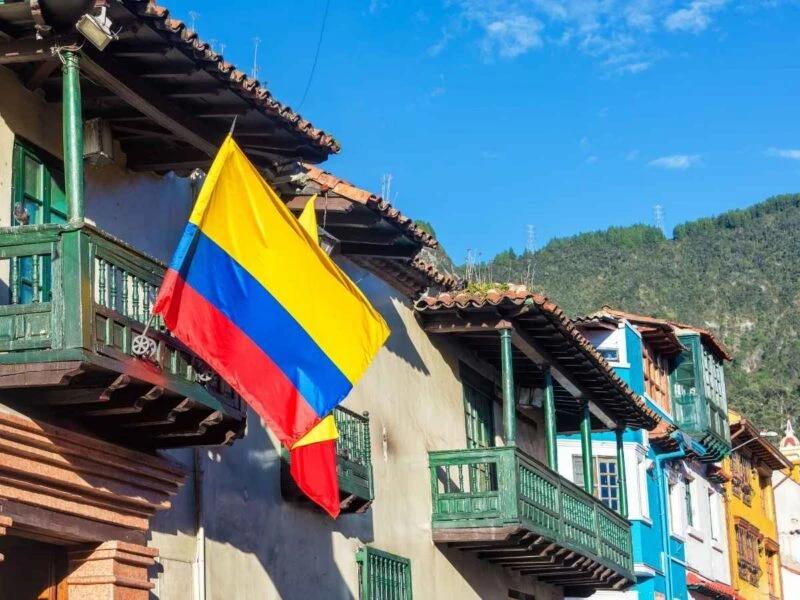
Every journey through Colombia tends to begin in Bogotá, and with good reason. The capital is a city of layers, where cobblestoned colonial streets run alongside modern boulevards and lively markets. The colonial architecture of La Candelaria, the historic quarter, is among the finest in South America — its brightly coloured facades, narrow alleys, and pan-tiled rooftops give an immediate sense of the city's personality and its deep historical roots.
Begin at the Paloquemao market, one of the most vivid and colourful in all of South America, where the extraordinary diversity of Colombian fruit and vegetables spills across vast covered stalls. From there, a cable car ride up Monserrate Hill rewards you with sweeping panoramic views across a metropolis of nine million people, ringed by high Andean peaks. Further into El Centro — the historic heart of Bogotá — the streets narrow and the pace slows, with bookshops, coffee bars and street musicians filling the colonial quarter with life. The Gold Museum, Monserrate and the Paloquemao market are covered in detail in our guide to best things to do in bogota.
Among the city's principal attractions, the Gold Museum stands apart, housing over 30,000 pre-Columbian gold artefacts and telling the story of the Muisca people whose metallurgy drew Spanish conquistadors to these shores. It sets the context for much of what follows in the rest of the country.
Bogotá was once considered one of the most dangerous cities on earth. That reputation now feels like a story from a different era. Social investment, urban renewal and a genuine civic pride have transformed the city into a safe, energetic and genuinely fascinating destination.
2. Zipaquirá — A Cathedral Carved in Salt
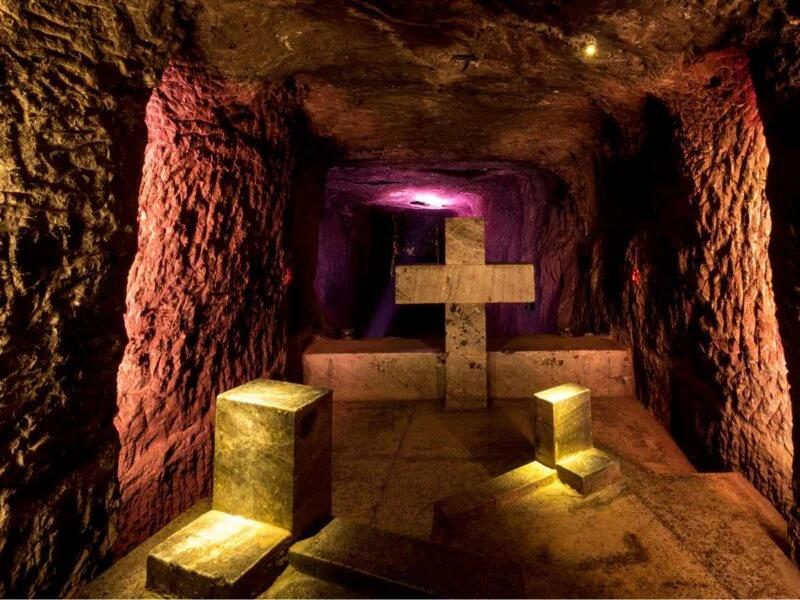
An ideal day trip from Bogotá, the Salt Cathedral of Zipaquirá lies just an hour's drive north of the capital and is one of Colombia's most astonishing sights. Carved 200 metres inside a mountain, into the walls of an ancient salt mine that the Muisca people worked as far back as the 5th century, the cathedral is not officially classified as such in the religious sense, but it functions as one. Fourteen chapels represent the Stations of the Cross, culminating in a vast underground nave with a 21-metre ceiling and a carved illuminated cross that appears to float in the darkness.
The experience of moving through the tunnels is genuinely extraordinary. The light is dim and carefully considered, the carved rock walls press in around you, and the temperature drops sharply from the warmth outside. Thousands of pilgrims arrive each year, particularly during Holy Week. Deep below the religious spaces, salt extraction continues to this day.
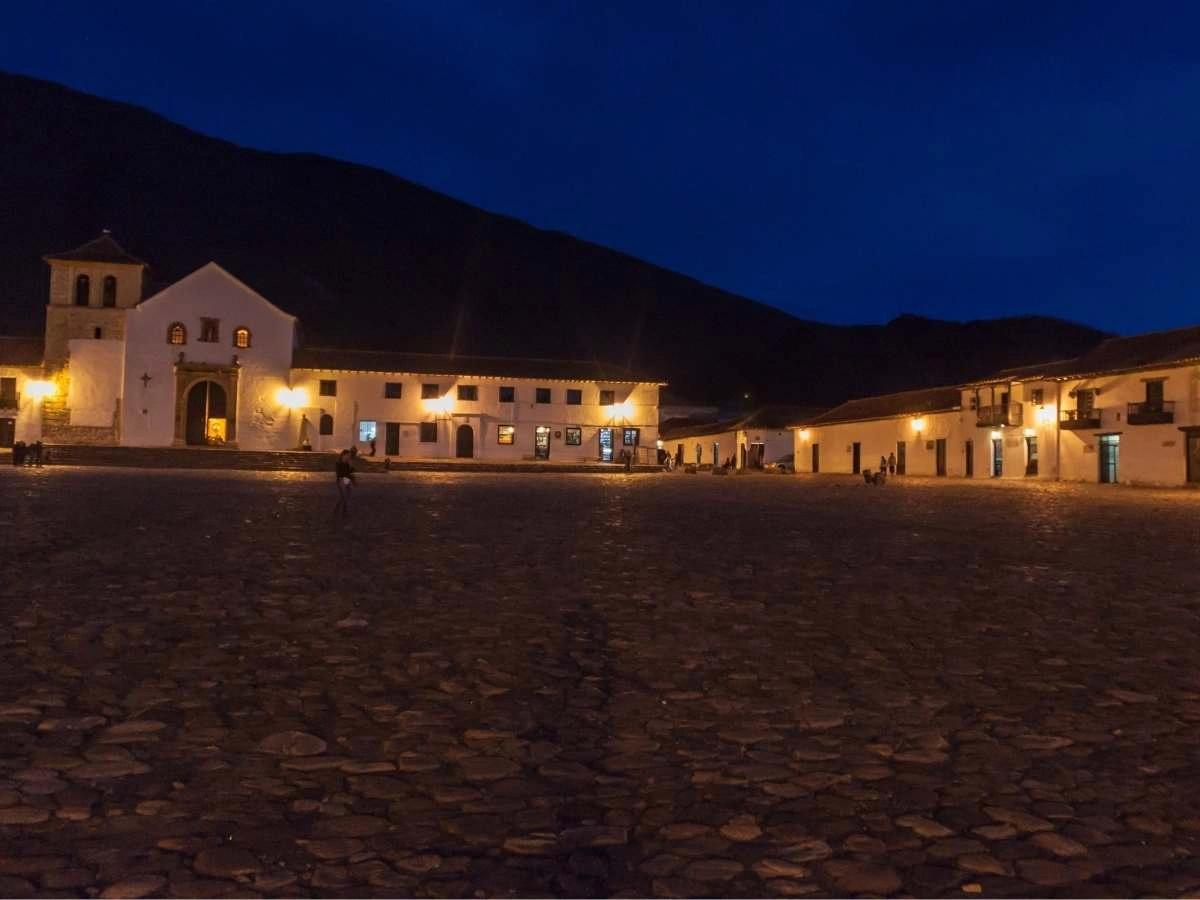
3. Villa de Leyva — Colombia's Most Perfectly Preserved Colonial Town
There are beautiful colonial towns throughout Latin America, but Villa de Leyva has a claim to being among the finest of them all. Set in a bowl of dry Andean hills at over 2,100 metres above sea level, the town is built around the Plaza Mayor — reputedly the largest cobbled square in South America. The surrounding white-washed buildings, pan-tiled roofs and bougainvillea-draped balconies have barely changed since the 16th century.
Spend a morning exploring the backstreets, visiting the fossil museum which houses the seven-metre remains of a Kronosaurus — a crocodile-like prehistoric ancestor that lived here when the whole area lay on the shores of a tropical sea — or taking a guided walk to the Santo Ecce Homo convent, built in 1620 from local stone embedded with fossils. A short drive away, the village of Ráquira offers artisan workshops lining streets painted in vivid reds, blues and yellows. Together they make an ideal two-day combination for anyone travelling through the Boyacá region.
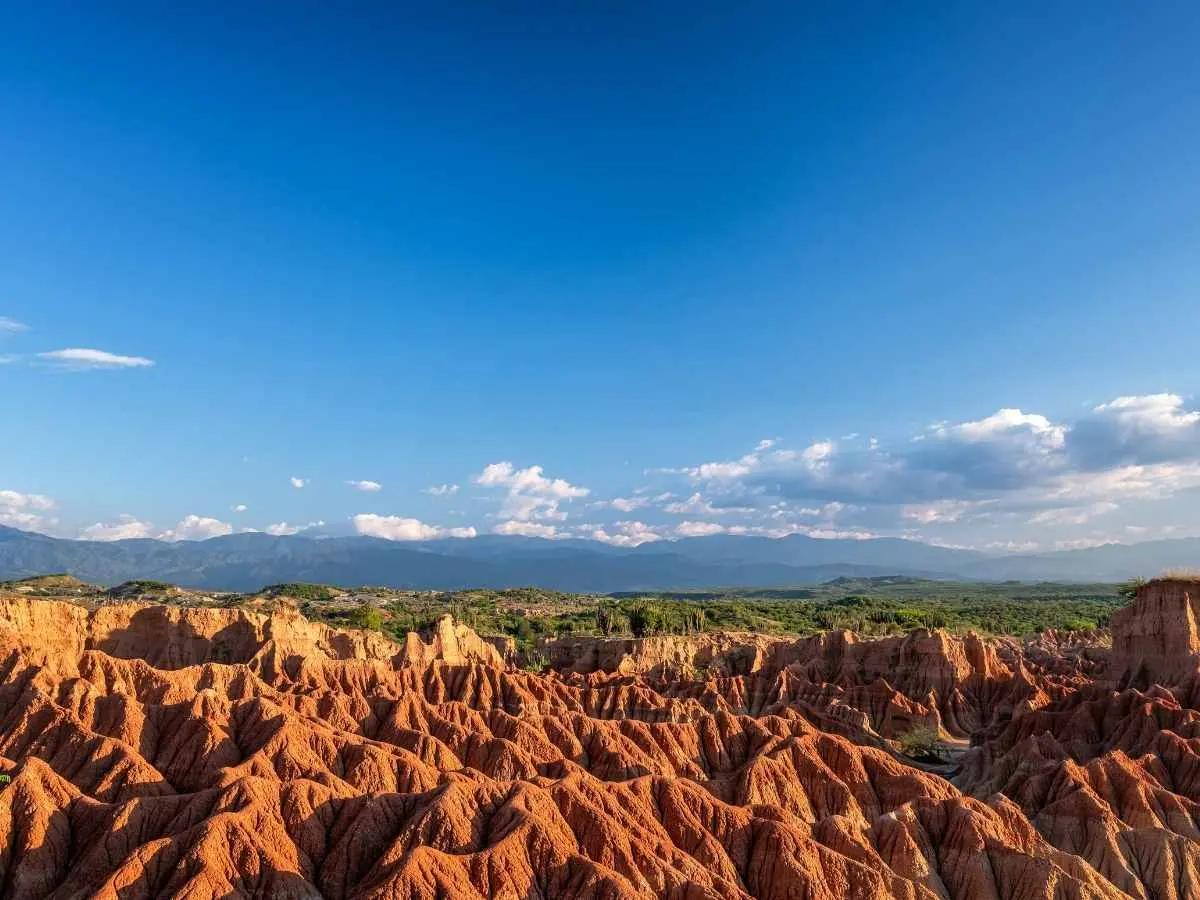
4. The Tatacoa Desert — Colombia's Extraordinary Other Side
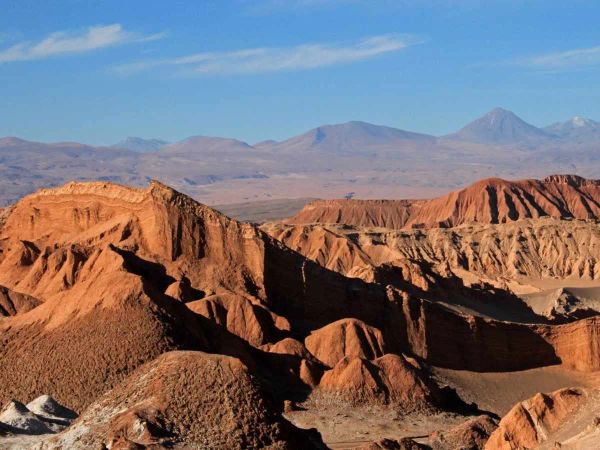
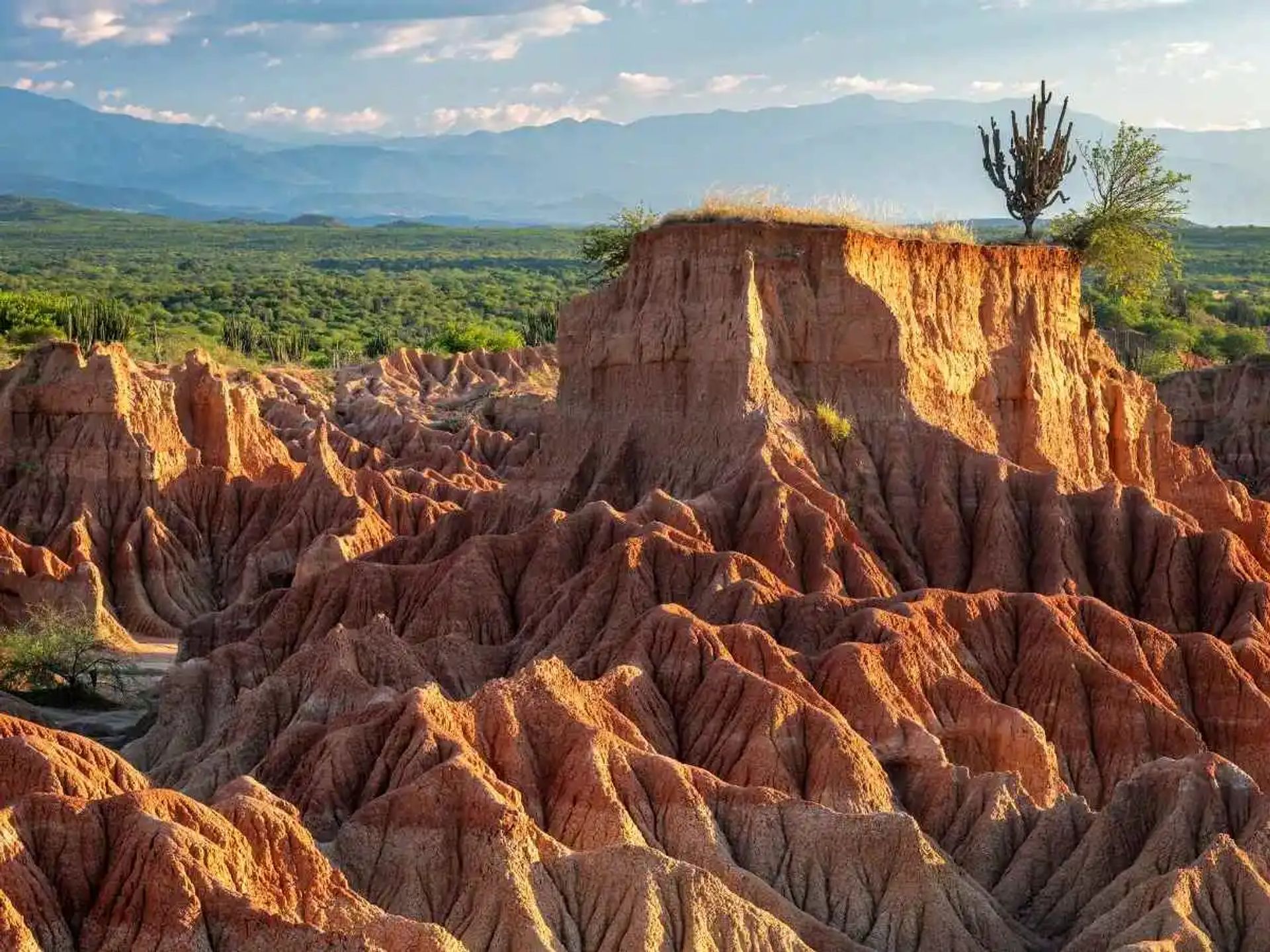
Most people do not associate Colombia with desert landscapes, which is precisely what makes the Tatacoa so remarkable. Located near the city of Neiva in the department of Huila, this semi-arid dry tropical forest is a world of eroded canyons and gullies sculpted into strange ochre and grey formations over millions of years. Despite the name, it is technically not a true desert — though temperatures can reach well above 40°C and the vegetation runs to succulents and thorny scrub.
Walking through the labyrinth of eroded gullies in the afternoon light, with the ochre rock glowing and the canyons deepening into shadow, produces photographs that look entirely unlike anything else from a Colombian trip. The Tatacoa is home to 72 species of birds, and at night its proximity to the equator and absence of light pollution make it one of the finest stargazing spots in the country, with clear views across both hemispheres simultaneously. It is one of the more surprising stops on our Colombia and Panama small-group itinerary, which threads together the country's most contrasting landscapes.
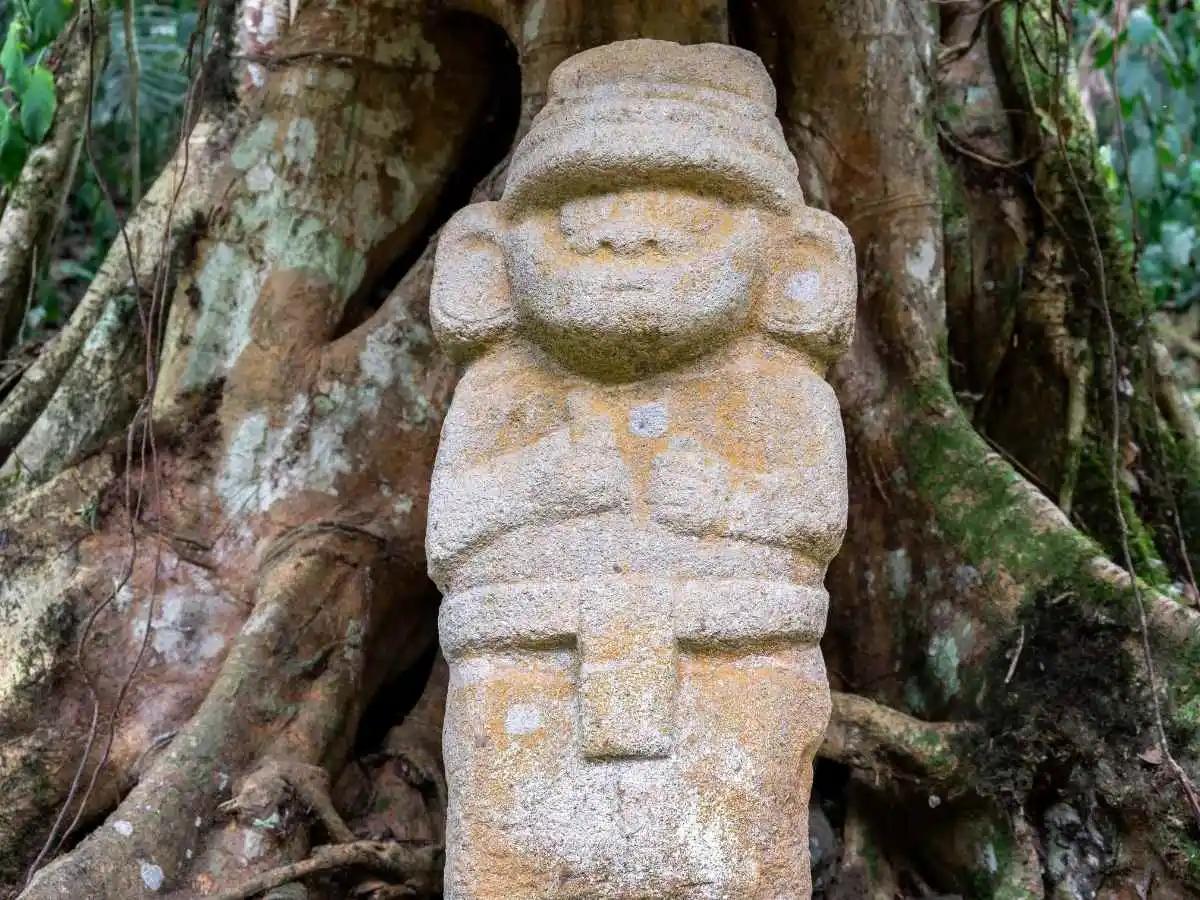
5. San Agustín — Mysteries in Stone
San Agustín is Colombia's most compelling archaeological site and one of the most remarkable in all of South America. The UNESCO World Heritage Site sits in a remote upland valley in the department of Huila and comprises hundreds of pre-Columbian burial mounds, stone statues and ceremonial sites spread across several distinct areas of the park.
The Fuente de Lavapatas is a ritual site carved directly into the bed of a stream. Las Mesitas is a conglomeration of burial mounds, funerary structures and squat stone figures. The Bosque de Las Estatuas is a woodland collection of carved stone heads with hunched shoulders and powerful expressions hinting at Mesoamerican influence. What makes San Agustín truly extraordinary is that the civilisation which produced all of this remains unnamed and largely unstudied. UNESCO declared it a World Heritage Site in 1995, but in many ways its deepest secrets are still intact.
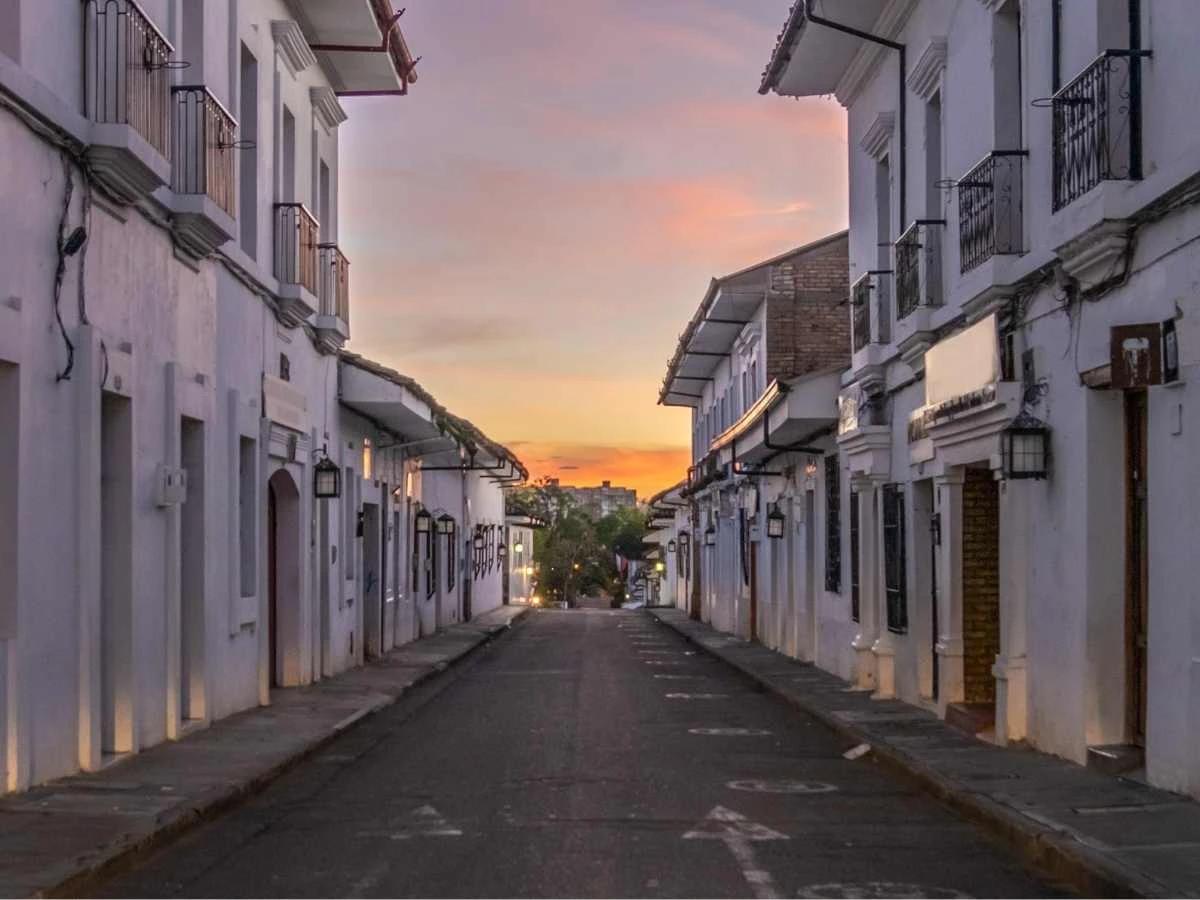
6. Popayán — The White City of the Andes
Popayán earned its nickname from the white-washed facades that line its historic centre. Founded in 1537 by the Spanish conquistador Sebastian de Belalcazar, it sits in the Valley of Pubenza between two Andean mountain ranges. Its colonial architecture — churches dating back as far as 1546 and a historic centre considered among the finest preserved in Latin America — gives the city a quiet grandeur that rewards an unhurried visit.
The city was badly damaged in the 1983 earthquake and has been carefully rebuilt since. It was later awarded the status of UNESCO City of Gastronomy, a recognition of its deep attachment to local cuisine. Popayán is also the gateway to the Puracé National Natural Park, where Andean cloud forest, active volcanoes and the páramo wetland support spectacled bears, mountain tapir, condors and over 200 orchid species.
7. The Coffee Zone — Colombia's Cultural Heartland
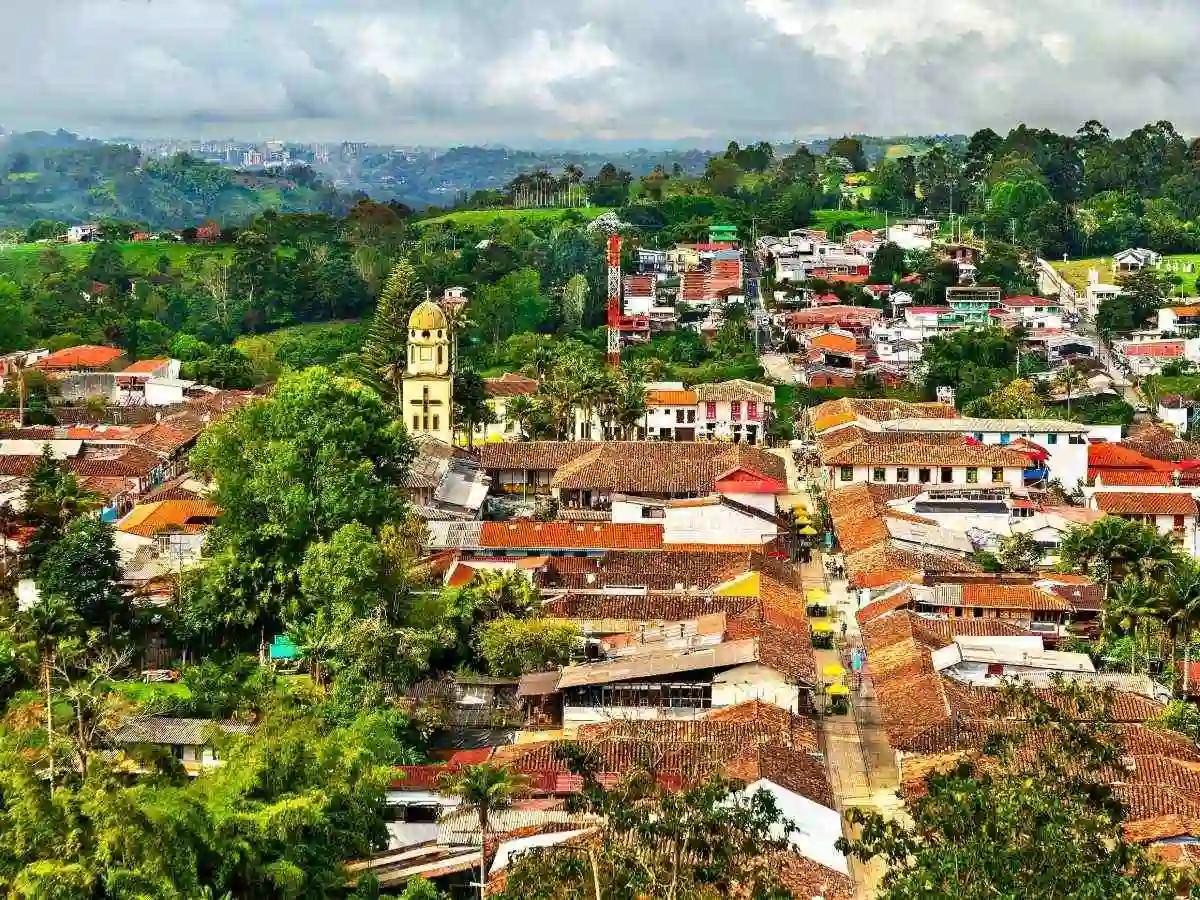
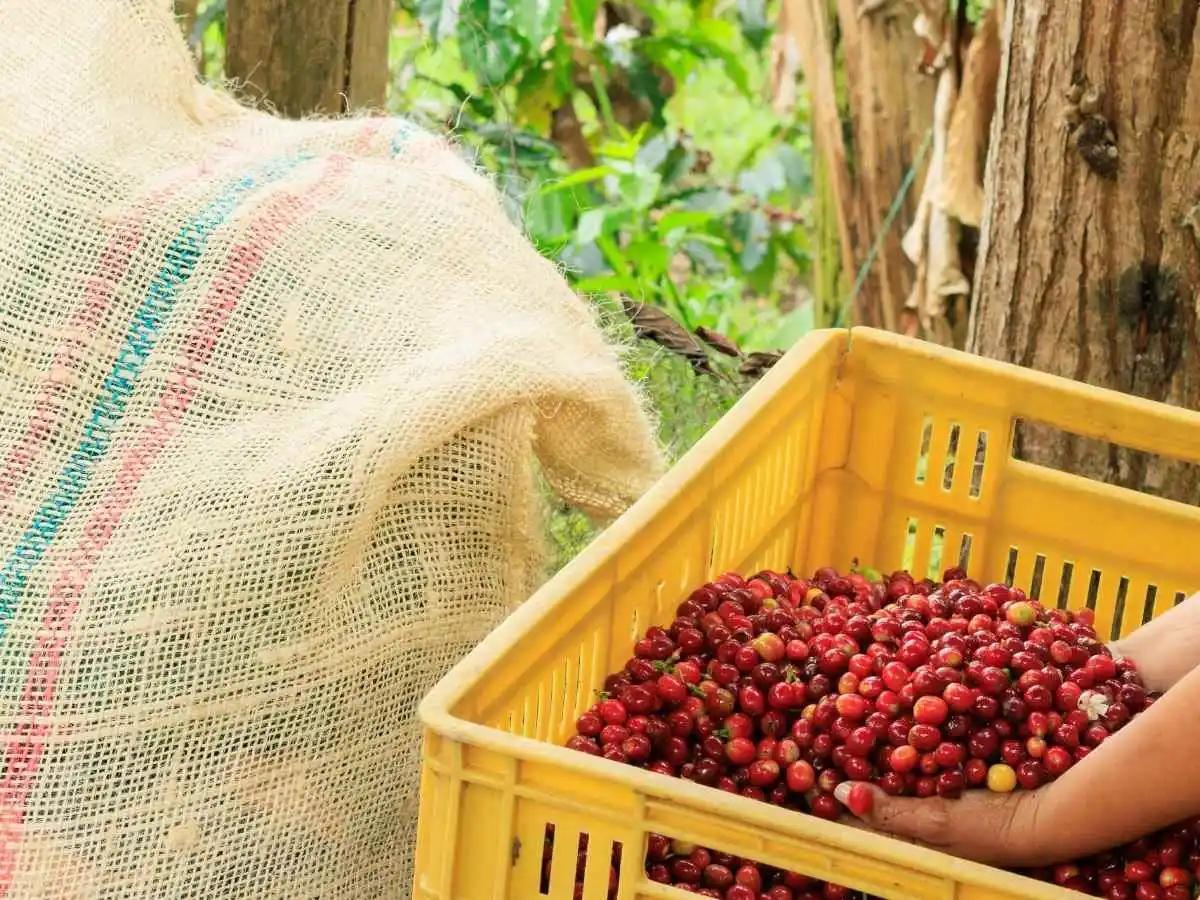
For many people who visit Colombia, the Coffee Zone leaves the deepest impression. Colombian coffee has earned a global reputation not only for its quality but for the landscape that produces it — rolling hills of coffee plants, small haciendas tucked into the valleys, and traditional campesino life continuing largely as it has for generations. Colombia is the third-largest coffee producer in the world and grows more Arabica beans than any other nation on earth.
A visit to a working coffee finca reveals the full process: from picking the ripe red cherries by hand through the washing, fermenting, drying and roasting stages. Many farms also grow cacao, plantains and panela sugar cane, and a tour of a traditional trapiche is one of the most engaging experiences the region offers. The full story of the Coffee Zone — from Salento's painted streets to cacao production and the Caribbean coast — is explored in detail in our coffee, cacao and Caribbean journey.
8. Cartagena — Colonial History on the Caribbean Coast
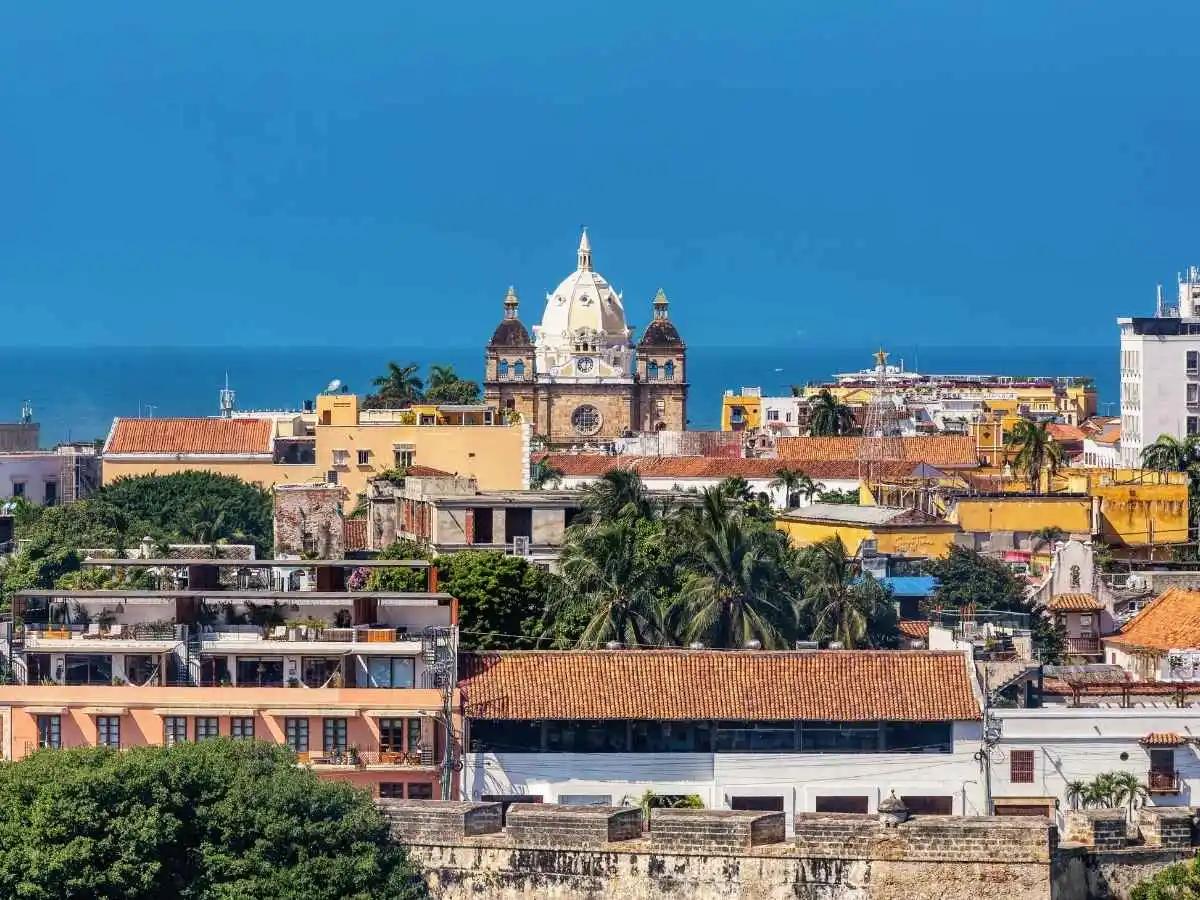
Cartagena is Colombia's most famous city and one of the most atmospheric in South America. Founded in 1533, it was a major trading port and a frequent target of pirates and privateers throughout the 16th and 17th centuries. The old city walls still stand, offering a sunset walk with views across terracotta roofs to the Caribbean Sea beyond.
Inside the walls, cobbled streets, green plazas and colourfully painted facades create a setting that feels both historically rich and fully alive. The Castillo de San Felipe, a vast and dramatically engineered fortress, is one of its most significant landmarks. Beyond the old city, the neighbourhood of Getsemaní has become one of the most vibrant parts of Cartagena — its walls covered in extraordinary street art, its small squares filled with music in the evenings. Cartagena is a UNESCO World Heritage Site, and an evening spent wandering its backstreets, with the heat of the day finally softening and the air thick with the scent of the sea, reveals exactly why.
9. Tayrona National Park — Jungle, Beaches and the Hike to the Sea
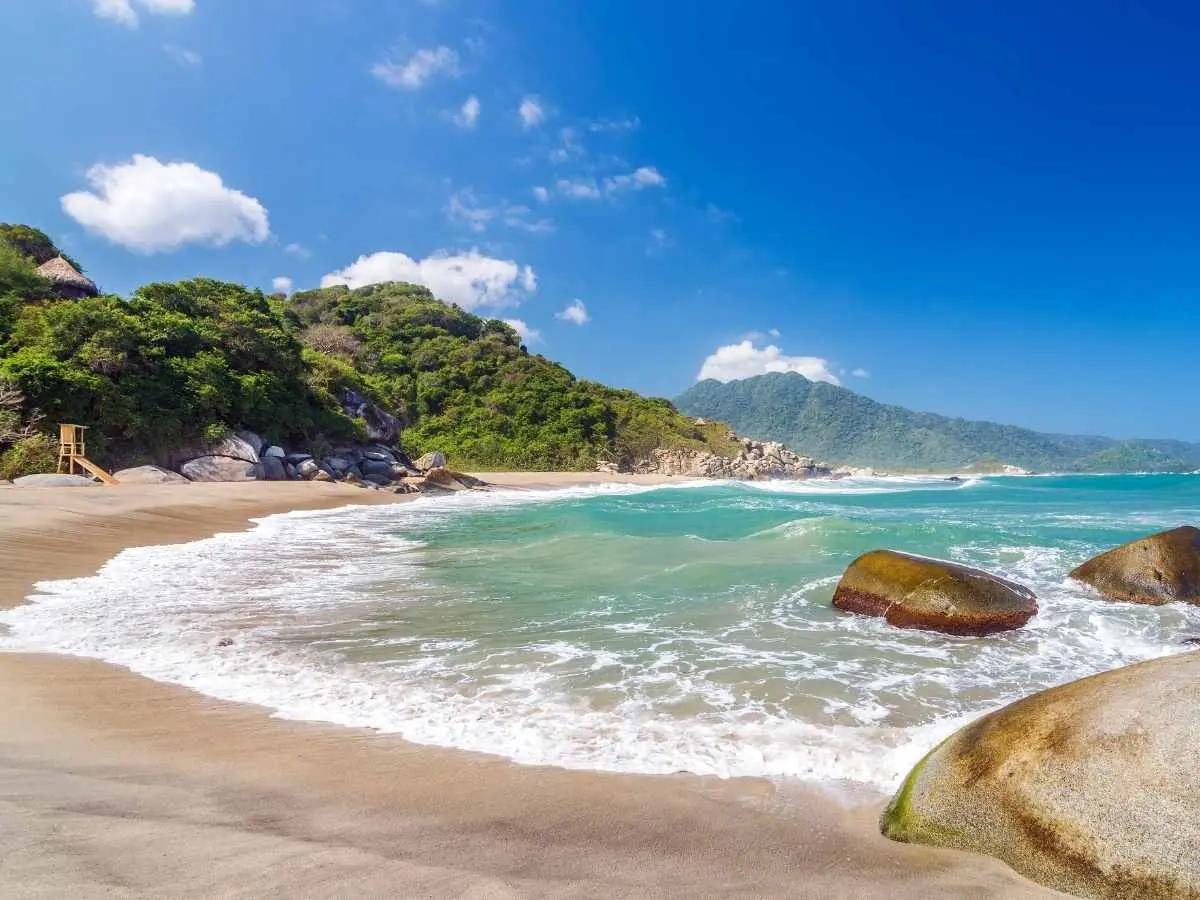
East of Santa Marta, Parque Natural Tayrona protects one of the most biologically diverse stretches of coastline in Latin America. The park combines tropical forest, rocky headlands and a series of beaches accessible only on foot, with trails that wind through the jungle before opening onto the sea. Howler monkeys are a near-constant companion on the trails, and the birdlife throughout the forest is extraordinary.
The walk from the park entrance at Cañaveral to Cabo San Juan Beach passes through coastal rainforest and takes roughly two hours, arriving at a beach backed by boulders and fringed with palms. Swimming is possible at certain beaches, though strong currents at others require care. The park was traditionally home to the Kogui people, and their presence — alongside other indigenous communities in the Sierra Nevada mountains above the coast — gives the natural environment here a cultural and spiritual weight that sets it apart from a conventional national park.

10. Santa Marta — Gateway to Colombia's Wild North
Founded in 1525, Santa Marta is the oldest surviving European city in South America. It sits between the Sierra Nevada de Santa Marta — an isolated coastal mountain range rising to nearly 5,800 metres — and the Caribbean Sea, making it both a place of deep history and a natural gateway to extraordinary landscapes. Simón Bolívar, who led the independence of much of the continent from Spanish rule, died on an estate just outside the city in 1830. The Sierra Nevada above the city provides access to some of Colombia's most extraordinary adventures, explored in greater depth below.
Colombia's Coffee Country — Salento, Cocora Valley and Los Nevados
The Coffee Zone merits more than a passing mention in a top-ten list. Its most distinctive corners — the Valle de Cocora, the village of Salento, and the volcanic peaks of Los Nevados — each offer something genuinely unique.
The Valle de Cocora — Walking Among Colombia's Tallest Trees
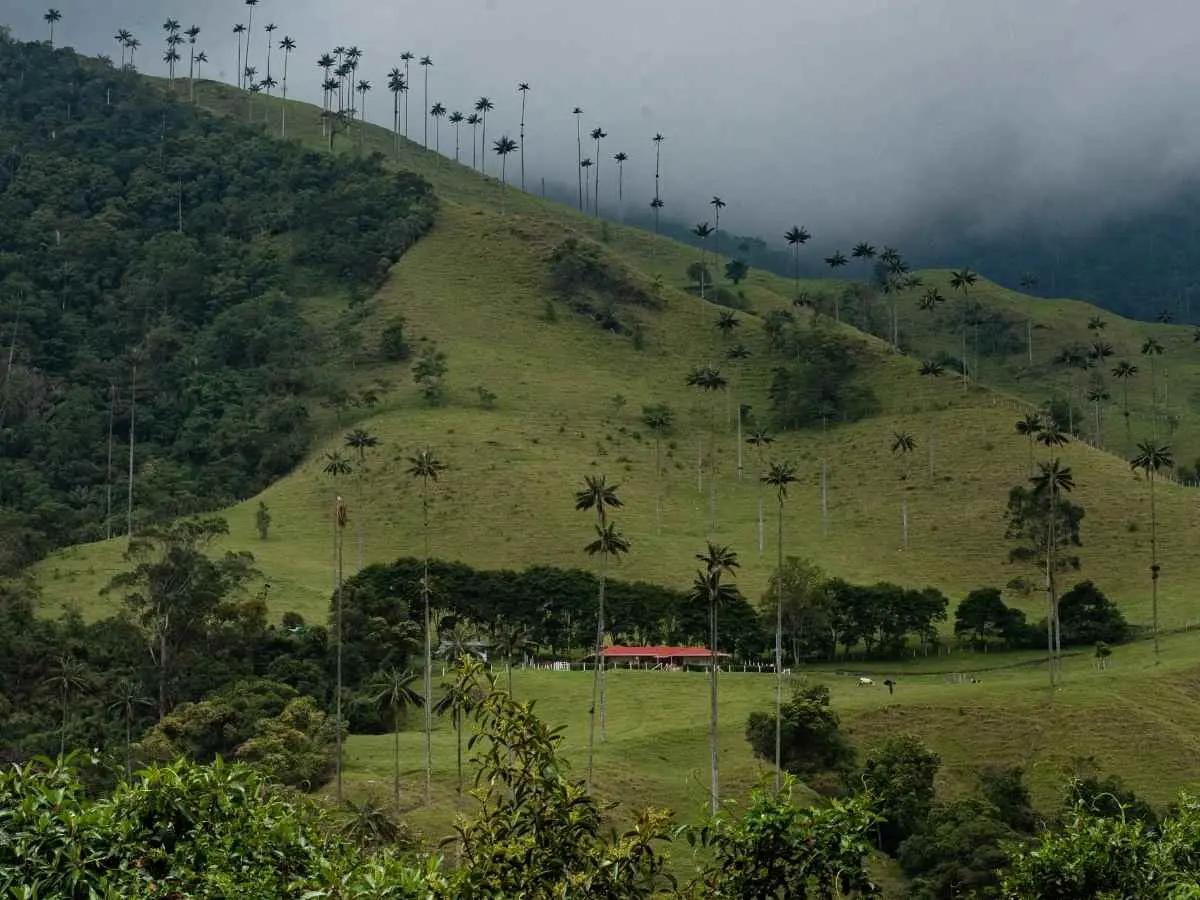
The Valle de Cocora, set in the Quindío department, is the image most Colombia writers reach for when they want to say something is unlike anywhere else — and for once the description is deserved. Tall Quindío wax palms, Colombia's national tree, can grow up to 60 metres high and rise out of a misty green valley in clusters that look almost surreal. They share the landscape with cloud forest, mountain streams and a birdlife that includes the yellow-eared parrot, which plays a crucial role in the palms' own reproduction.
A circular walking route takes most people three to four hours, moving through the valley floor and up into cloud forest before descending again alongside the Rio Quindío. It is one of the finest walks in Colombia.
Salento — The Soul of the Coffee Villages
Salento is the most visited of the Coffee Zone's small towns, and it has earned its popularity honestly. The main street, Calle Real, is a row of colourfully painted balconied houses that feels both genuine and photogenic. Coffee tastings at local cafés reveal the variety of processing methods — washed, honey and natural — and the differences they produce in flavour. Willys jeeps carry passengers along the valley roads exactly as they have done for generations.
Los Nevados National Park — Snow Peaks Above the Coffee Landscape
Visible from much of the Coffee Zone on clear days, the snow-capped peaks of Los Nevados National Park rise above the Andean ridgeline to the east. The park encompasses a chain of volcanic peaks, including the Nevado del Ruiz, and protects an extraordinary range of high-altitude ecosystems from cloud forest through to permanent snowfields above 5,000 metres.
More Things to Do in Colombia — Destinations Beyond the Obvious
There are other places throughout Colombia that deserve attention from those with more time or a specific interest. The regions covered above are just the beginning; the following destinations add further dimension to what is already a remarkable country to explore.
Medellín — Colombia's Resurgent Second City
Medellín has undergone one of the most celebrated urban transformations in South America over the past two decades. Once the world's most dangerous city, it is now an energetic metropolis known for its innovations in public transport, urban design and civic culture. The neighbourhood of El Poblado, with its tree-lined streets, restaurants and coffee bars, is the natural base for most visitors, though the city rewards exploration well beyond its most polished corners.
Among the favourite activities for visitors is a street art tour through the hillside communities — particularly the stairways and murals of Comuna 13, where the walls of an entire neighbourhood have been transformed into a vast open-air gallery. The Botero Museum, botanical garden and thriving food scene add further depth to a city that is rapidly becoming one of South America's most compelling urban destinations.
Caño Cristales — The River of Five Colours
In the Serranía de la Macarena region of central Colombia, a river runs in shades of red, yellow, green, blue and black for several weeks each year. Caño Cristales earns its reputation as the most beautiful river in the world honestly — the colours come from aquatic plants called Macarenia clavigera that bloom in the riverbed between roughly September and November. Visitor numbers are carefully controlled to protect the ecosystem.
La Guajira and Punta Gallinas — Where the Desert Meets the Sea
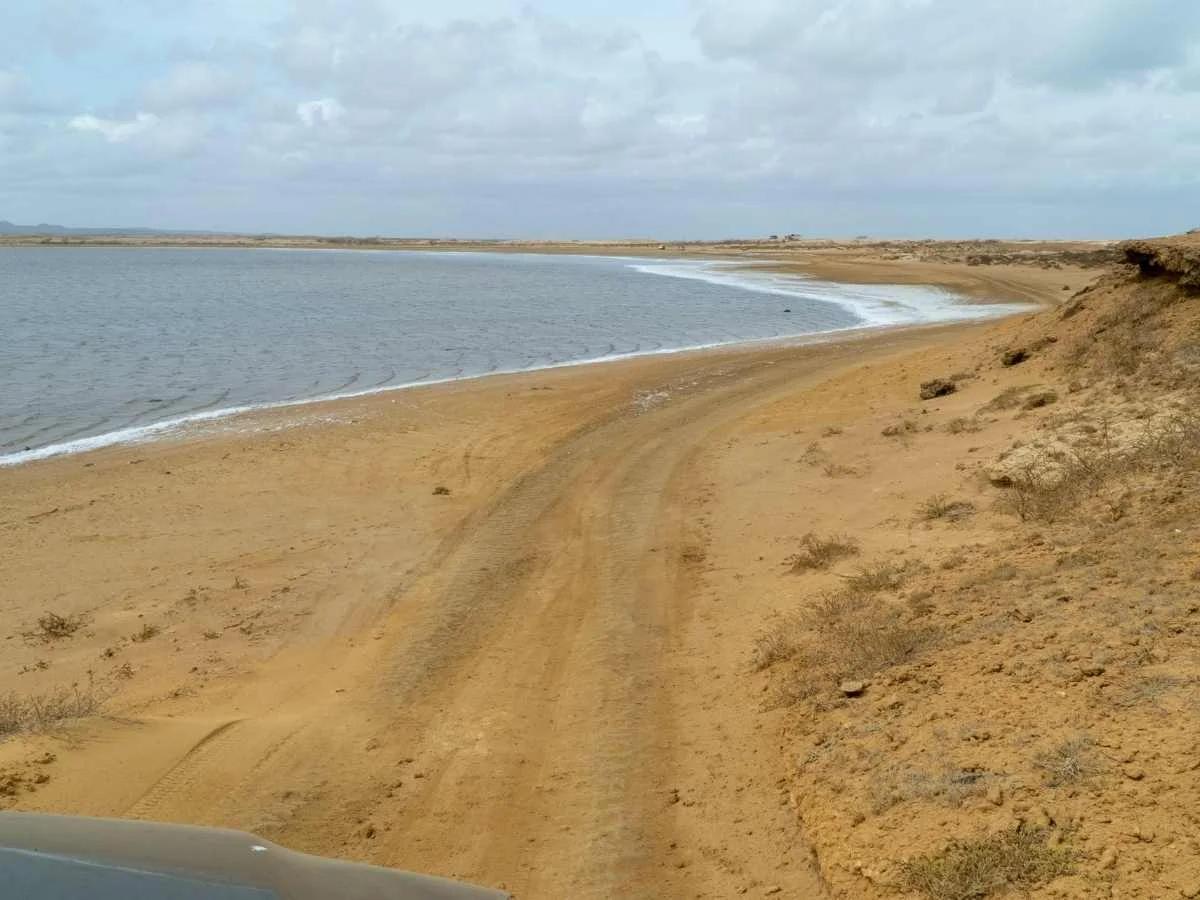
The Guajira Peninsula, stretching into the Caribbean at Colombia's northernmost point, is one of the country's most distinctive landscapes. At Punta Gallinas, the northernmost point of the South American continent, enormous sand dunes roll directly into the ocean. The region is home to the Wayuu people, one of Colombia's most prominent indigenous groups, whose woven mochila bags and distinctive textile traditions have become symbols of Colombian craft culture.
Providencia — Colombia's Secluded Caribbean Island
Far out in the Caribbean, roughly 700 kilometres from the Colombian coast, the tropical island of Providencia sits in waters of extraordinary clarity. Unlike the better-known San Andrés nearby — itself a popular island destination offering a more developed Caribbean experience — Providencia has remained largely undeveloped, with coral reef systems among the healthiest in the Caribbean and a pace of life entirely removed from the mainland.
Into the Jungle — The Ciudad Perdida Hike and Minca's Cloud Forests
The Ciudad Perdida — A Jungle Hike to Colombia's Ancient Past
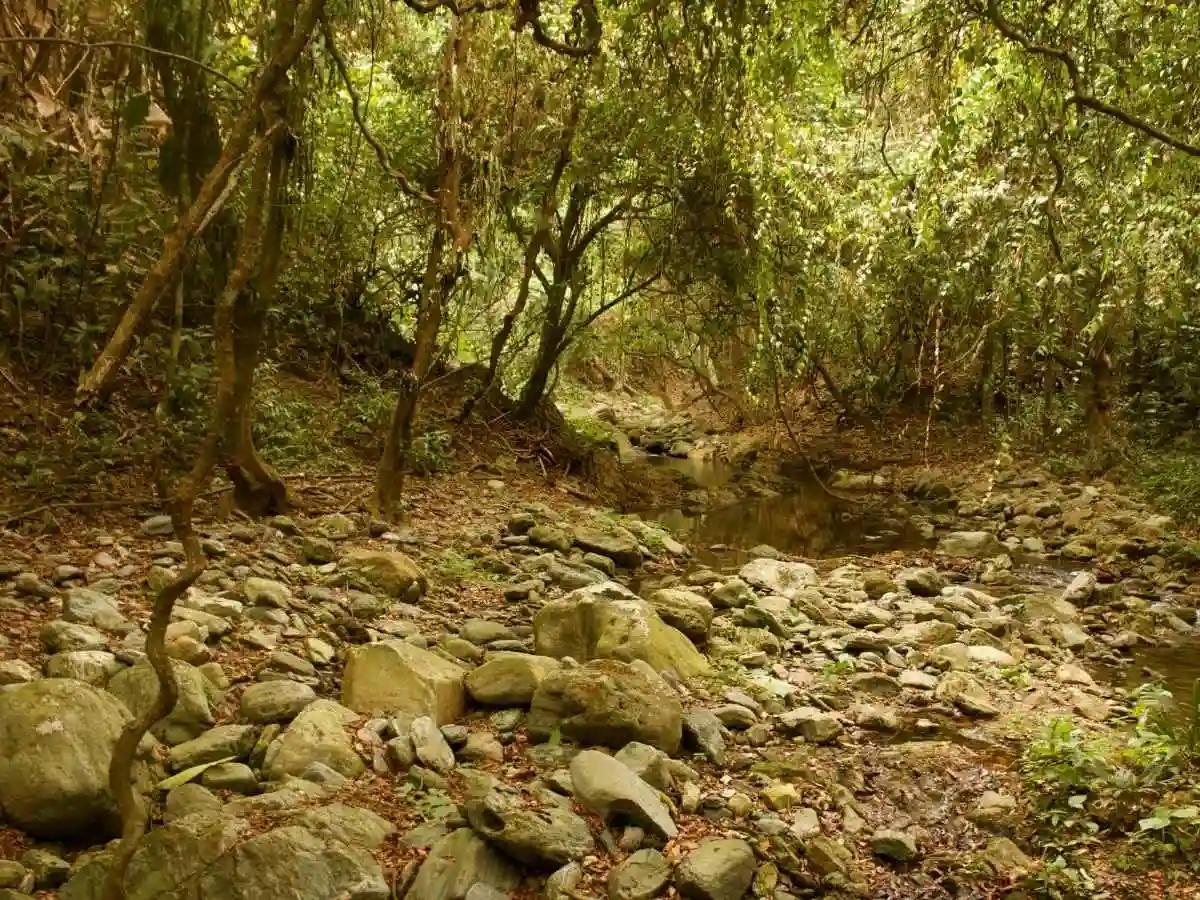
Among the most adventurous things to do in Colombia, the trek to the Ciudad Perdida — the Lost City — stands apart. Built by the Tairona civilisation around the 9th century AD, it predates Machu Picchu by several centuries and is reached exclusively by a multi-day jungle hike through the Sierra Nevada, typically taking four to six days. The trail crosses rivers, climbs steep ridges and passes through indigenous communities in the forest. It is a serious undertaking that rewards those who complete it with a sense of genuine discovery.
For those seeking adventure on a shorter timescale, the nature reserve at San Cipriano in the Valle del Cauca department offers a different kind of experience. Accessible via a unique motorised wooden rail platform — a locally built contraption that runs along a disused railway line through the forest — San Cipriano is a place of rivers, waterfalls and dense tropical greenery, popular with Colombian families and increasingly with visitors looking for something off the usual tourist route.
Minca — Cloud Forest Above Santa Marta
A short drive into the mountains above Santa Marta, the small village of Minca sits in cloud forest at around 600 metres above sea level. The temperature drops noticeably from the coast below, and the birdwatching in the surrounding forest is exceptional — the area is considered one of the most productive birding spots on Colombia's Caribbean slope. Minca makes an excellent base for forest walks, visits to nearby waterfalls, and afternoons spent in hammocks above the tree canopy.
Colombian Food, Salsa and Cultural Life
No journey through Colombia is complete without paying attention to what is on the plate and in the glass. The Colombian people are enormously proud of their food traditions, and with good reason. Colombian food is honest, generous and deeply regional. In the Coffee Zone, the bandeja paisa — a heaped platter of beans, rice, minced beef, chicharrón, egg, plantain and arepa — is a meal that reflects the agricultural abundance of the landscape it comes from. Across the country, the arepa appears in dozens of forms: thick and plain in some regions, thin and crispy in others, filled with cheese or egg, or eaten simply alongside a cup of tinto.
Street food is a pleasure in itself. Empanadas fried fresh and eaten hot, obleas filled with caramel and cream, and bowls of sancocho are found at markets and roadside stalls in almost every town. In Popayán, the empanada has been elevated to an art form. Colombia's festivals, music traditions and regional customs are explored in much more depth in our guide to Colombian people and traditions.
No survey of Colombian drinks is complete without mentioning aguardiente — the national spirit, distilled from sugar cane and flavoured with aniseed, and the drink of choice at celebrations, festivals and informal gatherings throughout the country. It is worth trying, even if once is enough.
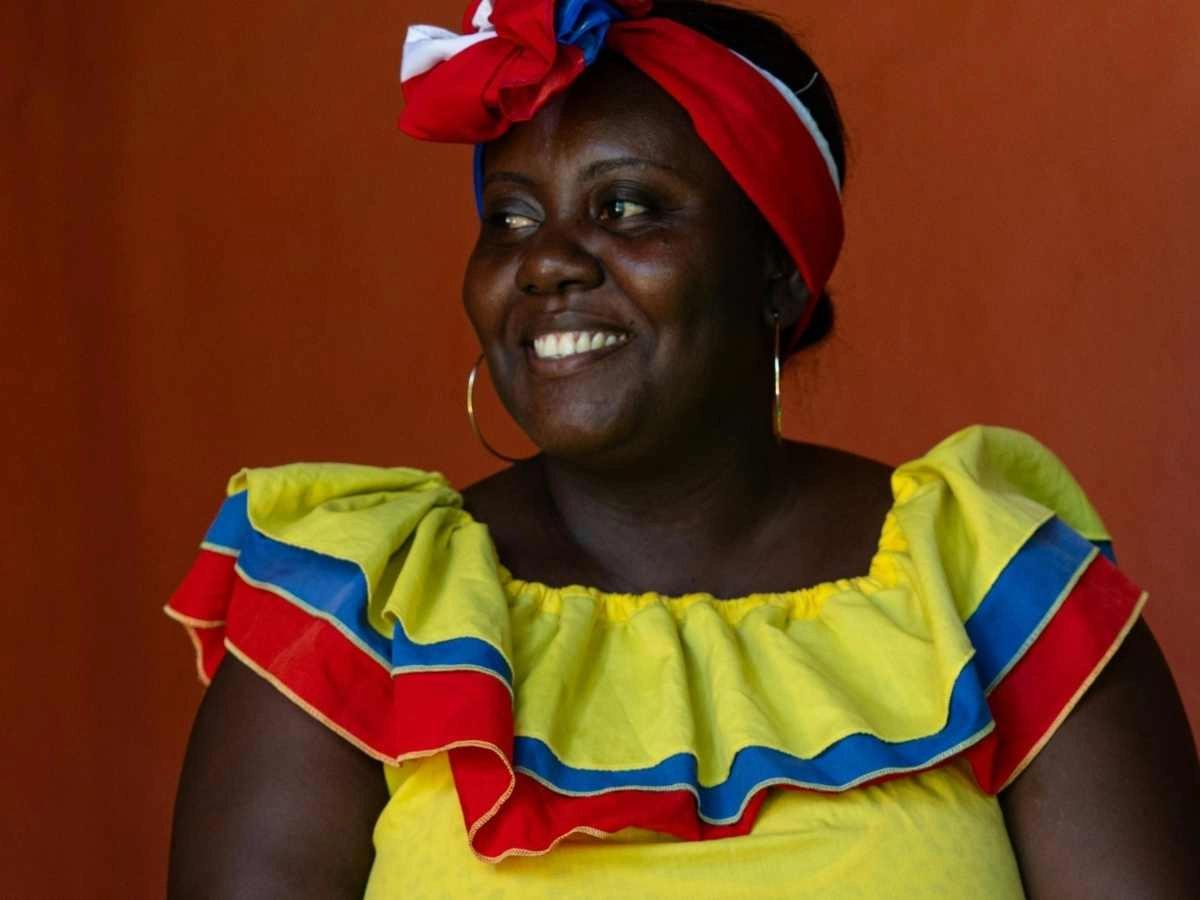
Beyond the food, Colombia's cultural life is vivid and generous. Cumbia rhythms pulse out of open doorways in Cartagena. Vallenato, the accordion-driven folk music of the Caribbean coast, fills the air at festivals. Cali, widely regarded as the salsa capital of the world, is where Colombia's passion for dancing reaches its most refined expression — the local style is tighter, faster and more footwork-focused than its counterparts elsewhere in Latin America. The Festival Mundial de Salsa, held in Cali every September, draws competitors and spectators from across the globe and is one of the most extraordinary cultural events in all of South America.
Colombia's Natural World — South America's Most Biodiverse Nation
Colombia's biodiversity is extraordinary by any measure. The country is home to nearly 1,900 bird species — more than any other nation on earth, according to BirdLife International —making it one of the world's great birdwatching destinations. In the Coffee Zone, the resplendent quetzal, various tanagers and the yellow-eared parrot reward those who rise early and walk quietly through the cloud forest.
To the south-east, the Amazon rainforest covers Colombia's Amazonian departments — a vast and largely roadless wilderness that forms part of the world's most important ecosystem. Though rarely included on standard overland itineraries, the Colombian Amazon is accessible from Leticia, the country's southernmost city, and supports extraordinary wildlife including pink river dolphins, giant otters and a dizzying range of Amazonian bird species.
In the cloud forests of the Puracé region, spectacled bears and mountain tapir move through vegetation that includes over 200 orchid species, Colombian pine, Andean oak and wax palm. Andean condors circle the thermals above the volcanic peaks. The páramo ecosystem provides habitat for plants and animals that have evolved in near-complete isolation, including the remarkable frailejón, a silver-leafed plant that can live for centuries and captures moisture directly from the clouds.
Planning Your Colombia Tour
When to Go
Colombia can be visited at any time of year, but dry seasons broadly align with December to March and July to August. Regional variation is significant — the Andean highlands, Coffee Zone and Caribbean coast all follow different weather patterns. The Caribbean coast is generally hot and humid year-round, while the highlands of Boyacá and Cauca can be cool and misty at any time. A full month-by-month breakdown of weather patterns across all regions is covered in our Colombia seasonal travel guide.
Hotels and Where to Stay in Colombia
Accommodation throughout Colombia ranges from simple, characterful locally run guesthouses and boutique hotels in colonial towns to working coffee fincas that take guests and rainforest lodges in national park buffer zones. In the larger cities, international-standard hotels are widely available, though many travellers find that smaller, locally owned properties in places like Villa de Leyva, Popayán and Salento offer a far more rewarding and characterful experience.
Getting Around on Your Colombia Trip
The most rewarding way to see Colombia is overland, moving gradually from one region to the next and allowing the landscape to change around you. Road conditions vary considerably, particularly in rural areas of the south and in the mountains. Internal flights are available between major cities, though travelling by road allows you to appreciate how dramatically the country changes — from desert to cloud forest, from colonial valley to coastal plain — in a way that no flight can replicate. No visa is required for British, United States and Australian nationals for short-term tourist visits, though entry requirements can change and should always be verified before booking.
Colombia is also a natural starting point for a broader South American journey. Countries such as Peru and Bolivia offer equally compelling cultural and natural riches, and many travellers use Colombia as the first chapter of a longer continental adventure.
A Country That Stays With You
Colombia rewards those who look beyond the headlines. Its colonial towns carry a lived-in beauty that resort destinations can never replicate. Its archaeological mysteries at San Agustín remain largely unexplored by the wider world. Its coffee landscape is unlike anything else on earth. And its people — warm, proud, and genuinely welcoming — leave an impression that outlasts the journey itself.
If you have been wondering whether Colombia belongs on your travel list, the answer is clear. The only question worth asking now is where you would like to begin. Speak to the small group travel specialists at Undiscovered Destinations and let them build you a Colombia small group tour that does this remarkable country full justice.