
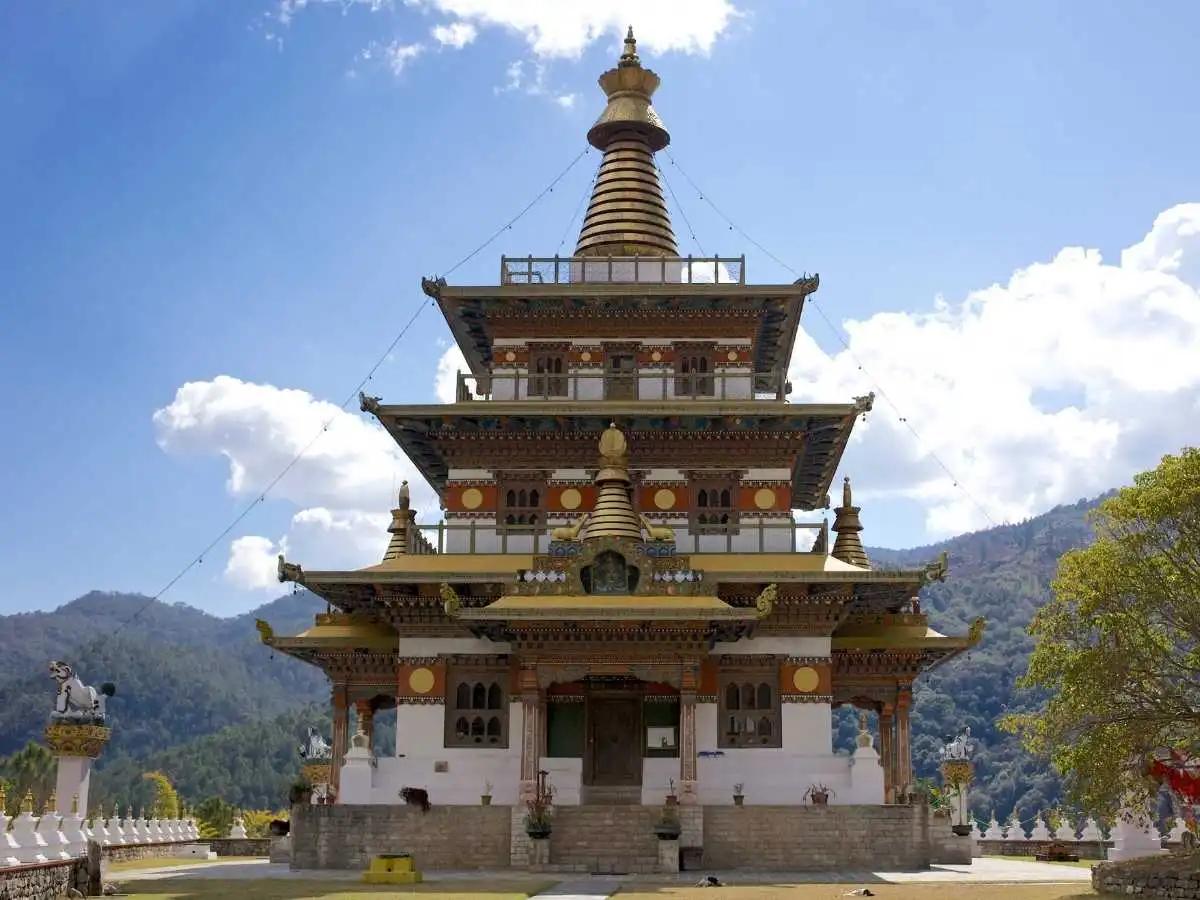
Punakha in Bhutan is known for its warmer climate, fertile valley landscapes, and peaceful riverside setting. Surrounded by terraced rice fields and forested hills, the region offers a greener and more relaxed atmosphere than Bhutan’s higher mountain valleys.
The Punakha Valley
The Punakha Valley is formed by the meeting of the Po Chu and Mo Chu rivers, creating one of the most scenic and fertile areas in Bhutan. Traditional villages, rice paddies, and riverside farmland make the valley an important cultural and agricultural centre.
Punakha Dzong
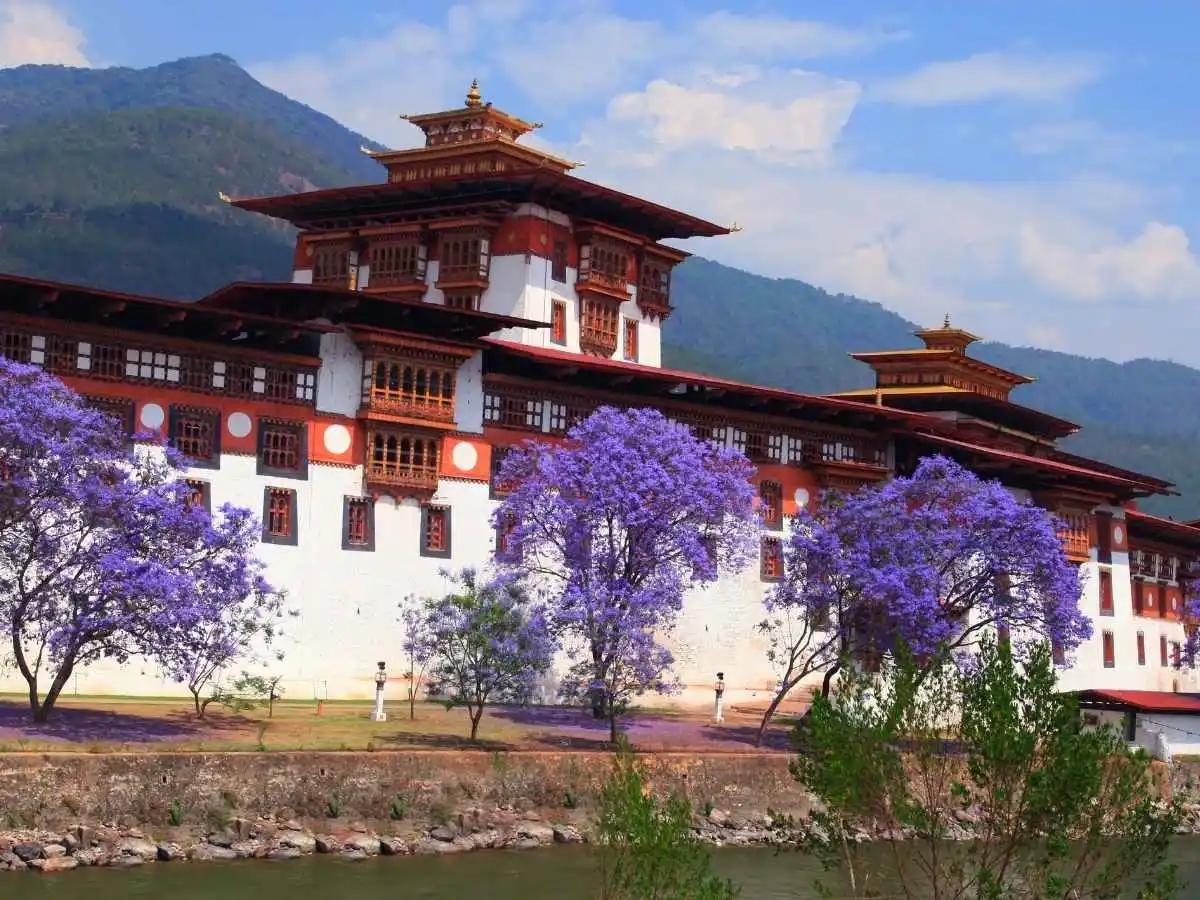
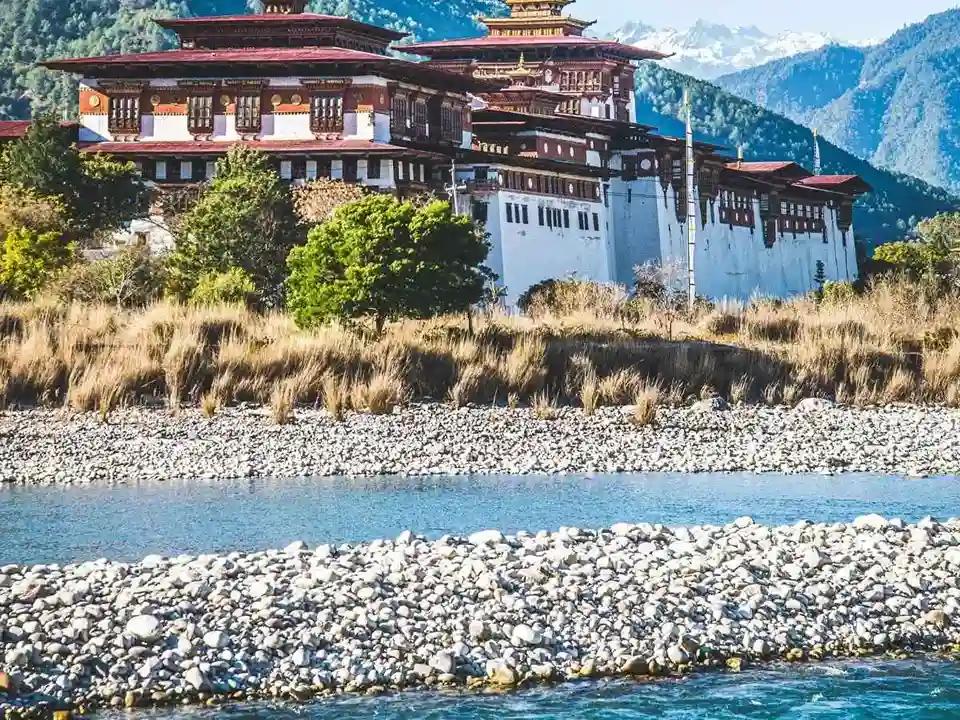
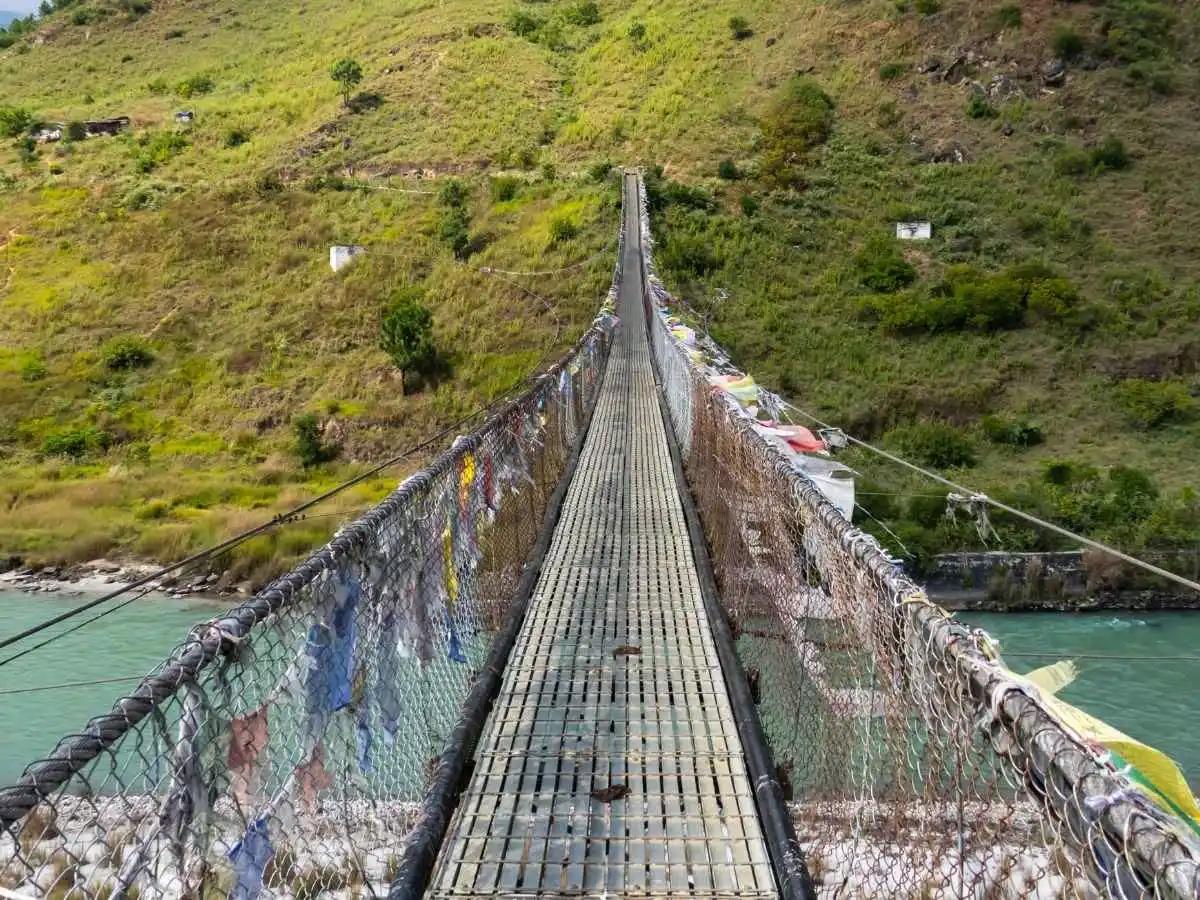
Punakha Dzong is one of Bhutan’s most iconic landmarks, located at the confluence of the two rivers. Built in the 17th century, the fortress-monastery is admired for its whitewashed walls, golden roofs, and beautiful riverside setting. A nearby suspension bridge offers excellent views across the valley.
The Chimi Lhakhang and Wider Valley Highlights
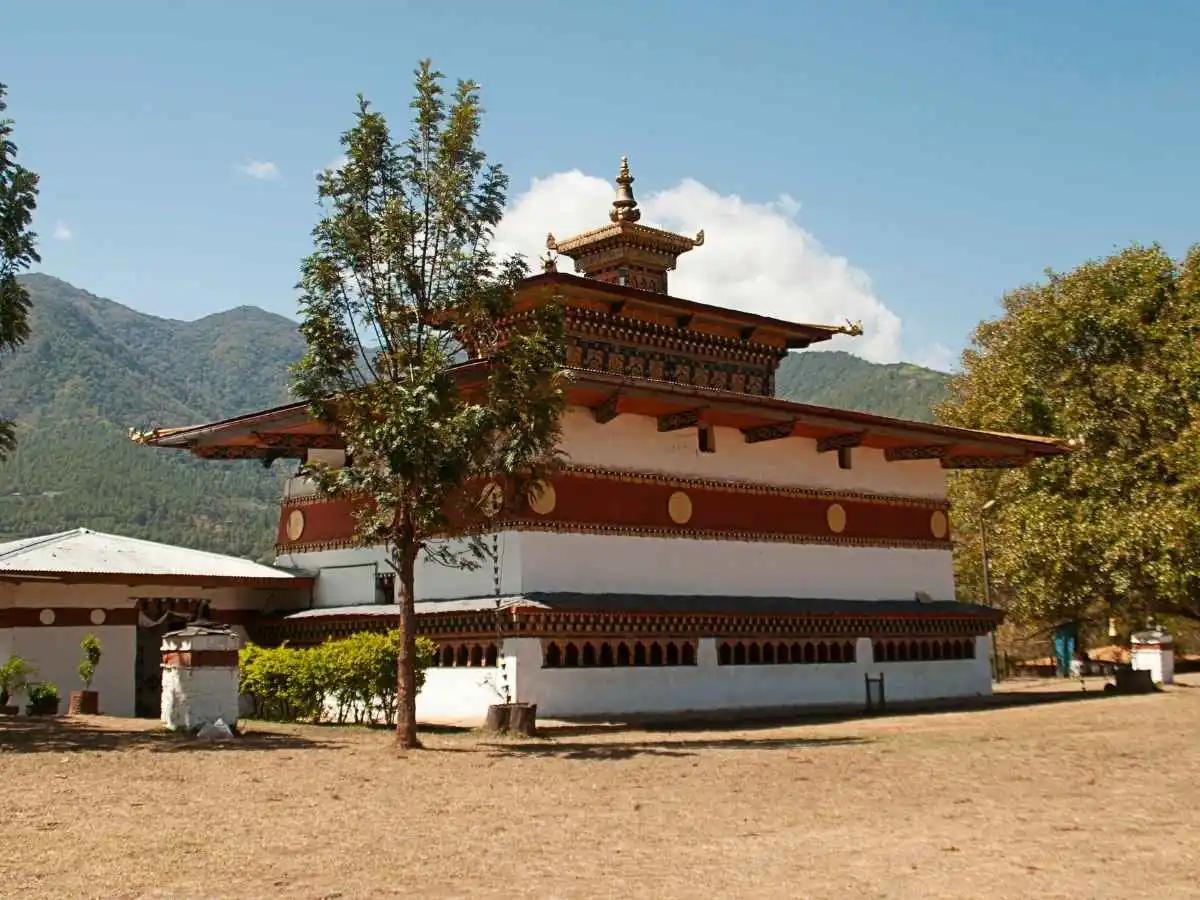
Punakha is also home to important cultural sites including Chimi Lhakhang, known as the Temple of Fertility, and the hilltop Khamsum Yuelley Namgyel Chorten. Gentle walks through rice fields and traditional villages make these sites some of the valley’s most rewarding experiences.
Visiting with Undiscovered Destinations
Punakha is a key highlight on our Bhutan small group journeys, offering a slower, more immersive experience of the country’s cultural heartland. We include time in the valley to explore Punakha Dzong, walk through terraced rice fields, and visit important sites such as Chimi Lhakhang and Khamsum Yuelley Namgyel Chorten.
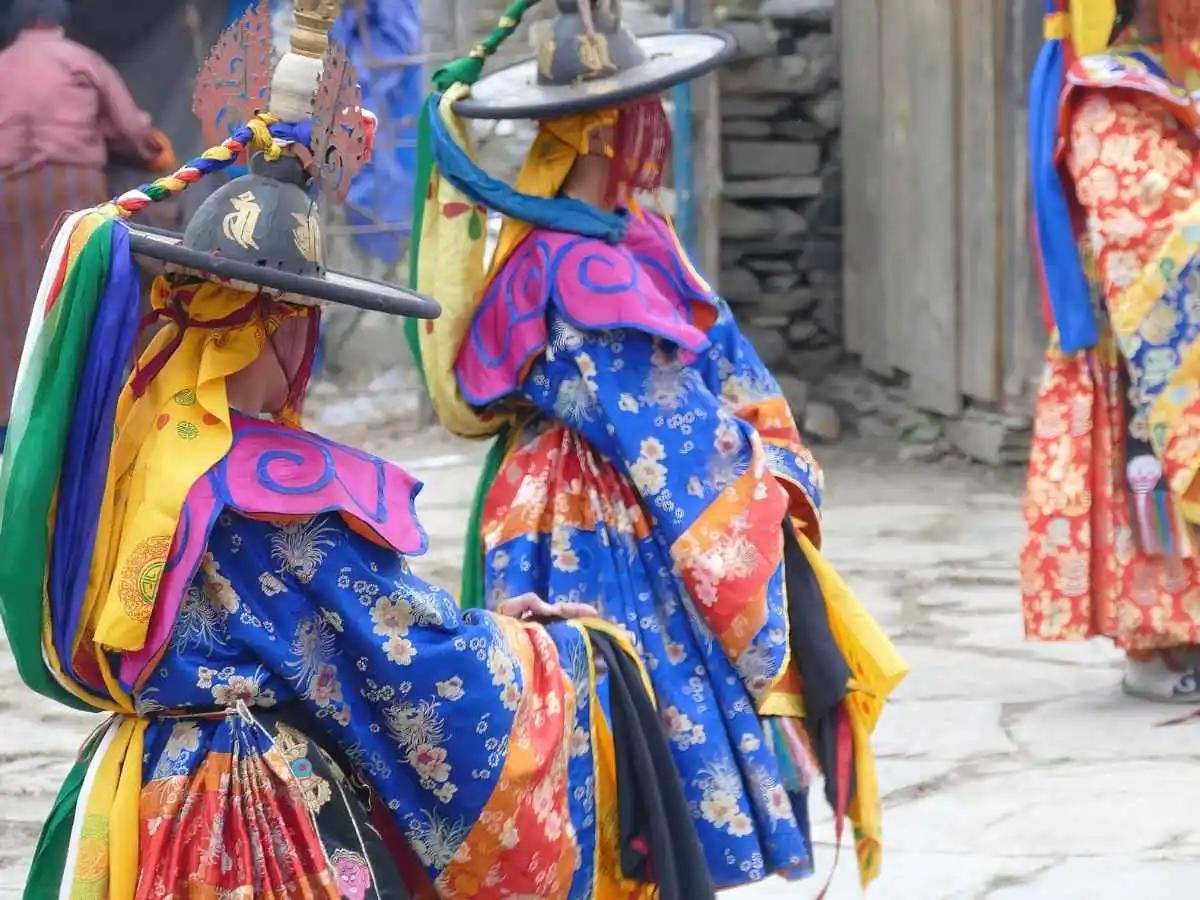
Our itineraries are carefully designed to balance sightseeing with time to enjoy the landscape, river valleys, and traditional village life. Depending on the departure, Punakha may also be experienced alongside local festivals held within the dzong, including options featured on our Bhutan Festival Tour, which brings added cultural depth to the journey.
We also offer specialised departures such as our Bhutan cultural tour for women, designed for more intimate cultural exploration with expert local guidance. With small group sizes and well-paced travel, Punakha becomes more than just a stop—it’s a meaningful part of the journey through Bhutan’s history, nature, and living heritage.